Head lice are one of the most common hair and scalp concerns affecting children and adults worldwide. Despite being tiny parasites, lice can spread quickly and cause persistent itching, discomfort, and frustration for families. Understanding the life cycle of head lice is the first step toward choosing the best lice treatment and preventing re-infestation.
At Bye Nits, we specialize in safe, effective, and professional lice removal treatment solutions designed to eliminate lice at every stage of their life cycle. In this guide, we explain how head lice grow, reproduce, and spread — and how you can stop them before they become a recurring problem.
What Are Head Lice?
Head lice are tiny wingless insects that live on the human scalp and feed on blood. They spread primarily through direct head-to-head contact and are especially common among school-aged children.
Common Signs of a Lice Infestation
- Persistent scalp itching
- Tickling sensation in the hair
- Visible lice or nits near the scalp
- Red bumps or irritation on the scalp
- Difficulty sleeping due to itching
Unlike common myths, head lice are not caused by poor hygiene. Anyone can get lice regardless of hair type or cleanliness.
Understanding the Life Cycle of Head Lice
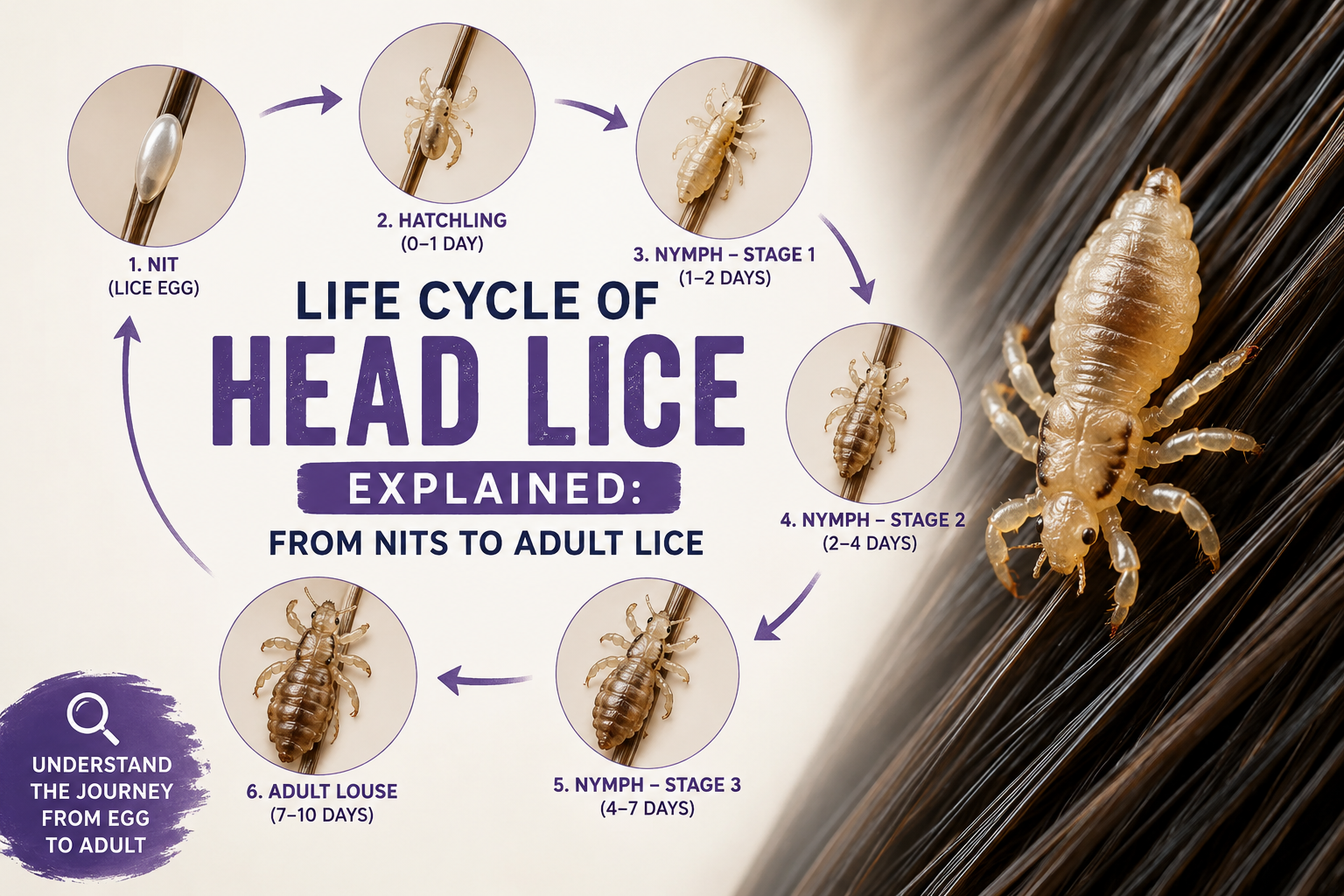
The life cycle of head lice has three major stages:
- Nits (eggs)
- Nymphs (young lice)
- Adult lice
Knowing these stages helps parents and individuals choose the right lice treatment strategy.
Stage | Appearance | Duration | Key Characteristics |
Nits | Tiny oval eggs | 7–10 days | Attached firmly to hair shafts |
Nymphs | Small immature lice | 7–10 days | Begin feeding immediately |
Adult Lice | Fully grown lice | Up to 30 days | Can lay multiple eggs daily |
Stage 1: Nits – The Beginning of a Lice Infestation
Nits are lice eggs laid by adult female lice close to the scalp where warmth helps them hatch.
How to Identify Nits
- Yellow, white, or tan in color
- Firmly attached to hair strands
- Usually found near the ears and neck
- Difficult to remove with regular brushing
Many people mistake dandruff for nits, but dandruff flakes fall off easily while nits stay attached.
Why Nits Are Difficult to Remove
Nits are coated with a sticky substance that helps them cling to the hair shaft. This is why professional lice removal treatment is often more effective than home remedies alone.
At Bye Nits, our specialists use advanced combing techniques and safe products designed to target both lice and nits thoroughly.
Stage 2: Nymphs – Young Lice After Hatching
After about 7–10 days, nits hatch into baby lice called nymphs.
Characteristics of Nymphs
- Extremely small and hard to detect
- Feed on blood immediately after hatching
- Mature rapidly within a week
- Continue growing through several molts
This stage is crucial because incomplete lice treatment often misses newly hatched nymphs, leading to recurring infestations.
Why Follow-Up Lice Treatment Matters
One of the biggest reasons lice return is because treatments only kill adult lice but leave nits behind. Once the eggs hatch, the cycle starts again.
The best lice treatment plans include:
- Thorough nit removal
- Follow-up checks
- Scalp monitoring
- Professional combing sessions
Stage 3: Adult Lice – The Reproduction Stage
Adult lice are about the size of a sesame seed and can survive for up to 30 days on the scalp.
How Fast Adult Lice Multiply
A female louse can lay:
- 6–10 eggs per day
- Up to 100 eggs during her lifetime
This rapid reproduction is why infestations can spread quickly among family members and classmates.
Adult Lice Facts | Details |
Lifespan | Around 30 days |
Eggs per day | 6–10 |
Survival off scalp | 1–2 days |
Feeding frequency | Multiple times daily |
Without proper lice removal treatment, the infestation cycle continues repeatedly.
How Head Lice Spread
Head lice do not jump or fly. They spread through direct contact.
Common Ways Lice Spread
- Head-to-head contact
- Sharing combs or brushes
- Sharing hats, scarves, or pillows
- Sleepovers and close contact activities
Places Where Lice Commonly Spread
- Schools
- Daycare centers
- Summer camps
- Sports activities
- Family households
Early detection and fast lice treatment reduce the risk of spreading lice to others.
Best Lice Treatment Options for Families
There are several treatment options available, but not all are equally effective.
Professional Lice Removal Treatment
Professional treatment is often the safest and most reliable solution because it addresses:
- Adult lice
- Nymphs
- Nits
- Re-infestation prevention
Why Families Choose Bye Nits
At Bye Nits, we provide:
- Chemical-safe treatment options
- Experienced lice specialists
- Thorough nit combing
- Family-friendly treatment plans
- Hygienic and comfortable care
Our team focuses on complete lice elimination while protecting scalp and hair health.
Book a Professional Lice Treatment Today
If you or your child are struggling with lice, professional help can save time, stress, and repeated infestations.
Contact Bye Nits today for expert lice removal treatment and regain peace of mind with safe, effective care.
Home Remedies vs Professional Lice Treatment
Treatment Method | Effectiveness | Removes Nits? | Risk of Reinfestation |
Home Remedies | Moderate | Often incomplete | High |
OTC Products | Varies | Sometimes | Moderate |
Professional Lice Removal Treatment | High | Yes | Lower |
Many over-the-counter products fail because lice can develop resistance to certain chemicals over time.
How to Prevent Head Lice
Prevention plays a major role in reducing future infestations.
Head Lice Prevention Tips
- Avoid sharing hair accessories
- Check children’s hair regularly
- Tie long hair during school activities
- Wash bedding after infestations
- Educate children about avoiding head contact
Scalp Check Checklist for Parents
- Inspect behind the ears
- Check the neckline area
- Use a fine-tooth lice comb weekly
- Look under bright lighting
Routine scalp checks can help detect lice before the infestation worsens.
Why Early Detection Is Important
The earlier lice are identified, the easier they are to treat.
Benefits of Early Lice Detection
- Faster treatment process
- Reduced itching and irritation
- Lower risk of spreading
- Easier nit removal
- Less stress for families
Professional lice treatment can significantly reduce treatment time and improve success rates.
How Bye Nits Helps Families Eliminate Lice
At Bye Nits, we understand how stressful lice infestations can be for parents and children. Our expert team provides compassionate and effective care tailored to each individual.
Our Lice Removal Process Includes
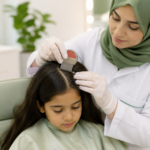
- Detailed scalp examination
- Professional lice and nit removal
- Safe treatment application
- Preventive guidance
- Follow-up recommendations
We focus on complete elimination while helping families prevent future outbreaks.
Ready to Get Rid of Lice for Good?
Choose the best lice treatment trusted by families. Contact Bye Nits today to schedule a professional scalp check and effective lice removal treatment.
Frequently Asked Questions (FAQs)
1. How long does the life cycle of head lice last?
The complete life cycle of head lice typically lasts around 3–4 weeks, from nit to adult lice.
2. What is the best lice treatment for children?
Professional lice removal treatment is often considered the safest and most effective option because it targets both lice and nits thoroughly.
3. Can lice survive on pillows and bedding?
Head lice can survive off the scalp for about 1–2 days, which is why washing bedding and personal items is recommended during treatment.
4. How do I know if lice treatment worked?
Successful treatment means no live lice are found during scalp checks, and follow-up inspections show no new nits hatching.
5. Are nits and lice the same thing?
No. Nits are lice eggs, while lice are the live insects that hatch from those eggs.
6. Why do lice keep coming back?
Lice often return when nits are not completely removed or when follow-up treatment is skipped. Professional lice treatment helps reduce the risk of re-infestation.
Final Thoughts
Understanding the life cycle of head lice is essential for choosing the right treatment and preventing recurring infestations. From stubborn nits to fast-reproducing adult lice, every stage requires proper attention and care.
With expert support from Bye Nits, families can access safe, effective, and professional lice removal treatment designed to eliminate lice completely and restore confidence quickly.
Discover Expert Lice Care in the UAE
Where precision, protection, and peace of mind come together.