
Lice in Teens and Adults: Not Just a Kid Problem
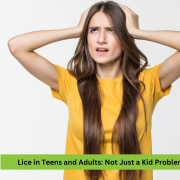
Head lice are often associated with young children, particularly those in preschool and elementary school. But contrary to popular belief, lice infestations aren’t just a childhood problem. Teens and adults are also at risk—especially those in close-contact environments or households with younger children. As uncomfortable and frustrating as lice can be, the stigma attached to it often prevents adults from seeking help early. At Bye Nits Salon, we aim to spread awareness that lice in teens and adults is more common than people think—and absolutely treatable. Understanding Head Lice Head lice are tiny, wingless insects that live on the scalp and feed on human blood. They’re spread primarily through head-to-head contact but can also transfer through shared personal items like combs, hats, or bedding. Adult lice are about the size of a sesame seed, and their eggs (nits) are even smaller, clinging to hair shafts close to the scalp. Lice do not indicate poor hygiene or uncleanliness. Anyone can get lice, regardless of how often they bathe or wash their hair. Why Teens and Adults Get Lice Too While children are more likely to be exposed due to group settings and physical closeness during play, teens and adults are far from immune. Here’s why lice infestations are rising among older age groups: 1. Social Behavior Teens often take selfies, share headphones, hats, or hair accessories—all of which increase the risk of lice transmission. Sleepovers, sports activities, or simply hanging out in close proximity can lead to infestations. 2. Family Transmission Parents of young children with lice are at high risk. Lice can transfer while cuddling, reading bedtime stories, or sharing beds or couches. 3. Shared Personal Items Adults sharing combs, towels, or helmets at gyms, spas, or salons might unknowingly catch lice. Though lice can’t survive long without a human host, they can live up to 24 hours on certain surfaces. 4. Travel and Hospitality Increased travel, hotel stays, or use of public transportation can indirectly contribute to lice spread, especially if linens, headrests, or pillows aren’t properly sanitized. Signs of Lice in Teens and Adults The symptoms in teens and adults are similar to those in children. These include: Persistent itching, especially around the scalp, behind the ears, and nape of the neck. Red bumps or sores from scratching. Difficulty sleeping due to increased lice activity at night. A tickling sensation or feeling that something is moving in the hair. Visible lice or nits, often seen close to the scalp. Because lice move quickly and hide among hair, they can be difficult to detect without a proper lice comb or professional inspection. Challenges in Adult Lice Treatment Lice in adults can be harder to detect and treat due to longer or thicker hair. Additionally, adults may delay treatment due to embarrassment, causing lice to multiply and spread within households or workplaces. Store-bought treatments are often not strong enough, and overuse of chemical lice shampoos can lead to scalp irritation or lice resistance. This is why Bye Nits Salon offers safe, non-toxic, and professional lice removal treatments using specialized techniques and tools designed to fully eliminate lice and nits in one or two sessions. Prevention Tips for Teens and Adults Although lice infestations aren’t always preventable, a few good habits can reduce your risk: Avoid head-to-head contact during selfies or group activities. Do not share combs, hats, hairbands, scarves, or towels. Regularly check your scalp and that of your children, especially after sleepovers or school holidays. Tie up long hair in braids or buns, especially in crowded places. Keep personal items separate, especially in gyms, salons, or travel accommodations. Consult a professional at the first sign of lice for effective removal and prevention of re-infestation. How Bye Nits Salon Helps At Bye Nits Salon, we understand how stressful lice infestations can be for teens and adults. That’s why we provide a discreet, welcoming, and judgment-free environment. Our trained technicians use clinically approved, chemical-free treatments that are safe for all ages. We offer: Detailed lice checks and consultations Precision comb-outs and nit removal Preventive care recommendations Family treatment packages Home sanitation advice to prevent reinfestation We understand how sensitive lice treatment can be. That’s why we ensure your details remain private, and you’re always treated with dignity and care. Conclusion: Lice infestations are not just a childhood issue—they can affect people of any age. Teens and adults are increasingly at risk due to social behaviors, shared environments, and family exposure. Ignoring the problem or feeling embarrassed only prolongs the discomfort and risk of spreading lice to others. If you suspect lice, don’t hesitate. The earlier you act, the easier it is to treat. Bye Nits Salon is here to provide safe, effective, and compassionate care to get you lice-free—quickly and confidentially. Say goodbye to lice and hello to peace of mind. Book your appointment today with Bye Nits Salon and experience professional lice removal that works.
Do You Know These 10 Surprising Facts About Lice?
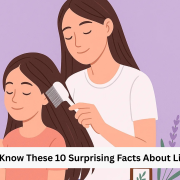
When most people hear the word lice, they immediately think of itchy scalps and endless combing sessions. But these tiny parasites are far more fascinating (and sometimes alarming) than they seem. While lice infestations are undeniably inconvenient, there’s a lot about them that remains unknown to the general public. In fact, some facts might surprise you and change the way you look at these persistent pests. Here are 10 surprising facts about lice you probably didn’t know. 1. Lice Have Been Around for Thousands of Years Lice are not a modern problem — they’ve been pestering humans for centuries. Archaeologists have found lice eggs (nits) on human hair in mummies that are over 10,000 years old. These discoveries suggest that lice have evolved alongside humans, adapting to our habits, climate, and even our hairstyles over the ages. So, if you get lice, remember — you’re sharing an ancient human experience! 2. Lice Can’t Jump or Fly One of the biggest myths about lice is that they can leap from one head to another. In reality, lice cannot jump or fly — they can only crawl. They use their strong claws to cling tightly to hair strands. This means lice are spread through direct head-to-head contact or by sharing personal items like hats, combs, or hair accessories, not by “jumping” across the room. 3. Head Lice Prefer Clean Hair Contrary to popular belief, head lice don’t target dirty hair. In fact, they may find it easier to attach to clean, smooth hair strands. Having lice is not a sign of poor hygiene; anyone — regardless of how often they wash their hair — can get them. This is why outbreaks can happen in schools, sleepovers, or camps even among children who wash their hair daily. 4. They Have a Very Short Lifespan Without a Host A louse’s life is closely tied to its human host. Once removed from the scalp, a louse can only survive for about 24 to 48 hours without feeding on blood. This is why thorough cleaning of bedding, hats, and hairbrushes is essential during an infestation — it prevents lice from finding their way back to a person’s head. 5. Lice Are Species-Specific Not all lice are created equal — the lice that infest humans can’t survive on animals, and vice versa. For example, dog lice or cat lice won’t live on humans, and human lice can’t survive on pets. Each type of louse has adapted to the body temperature, hair type, and blood chemistry of its preferred host. So, if your child brings home lice, you don’t have to worry about treating the family pet. 6. Female Lice Are Super Egg-Laying Machines A single adult female louse can lay up to 4-10 eggs (nits) per day. Over her lifetime of about a month, she can produce more than 200 eggs. This explains why lice infestations can escalate quickly if not treated promptly. These eggs are glued to hair strands with a sticky substance, making them hard to remove without proper tools. 7. Nits and Lice Are Not the Same Thing Many people use the terms “nits” and “lice” interchangeably, but they’re not the same. Nits are the eggs of lice, while lice are the living insects. Nits are tiny, oval-shaped, and usually yellow or white, sticking firmly to hair shafts. Once they hatch (in about 7–10 days), the baby lice are called nymphs until they grow into adults. 8. Lice Are Highly Resistant to Some Treatments Over time, lice have developed resistance to certain chemical treatments, especially over-the-counter shampoos containing permethrin or pyrethrin. This is why some infestations persist despite repeated use of these products. Professional lice removal services often use specialized combing techniques and alternative treatments to eliminate lice more effectively. 9. Lice Infestations Are More Common in Children Children, especially those between 3 and 11 years old, are more likely to get lice than adults. This is mainly because kids have more frequent head-to-head contact during playtime, group activities, or naps. Schools and daycare centers are common places for lice outbreaks to start. 10. Lice Can Cause More Than Just Itchiness While the most noticeable symptom of lice is an itchy scalp, constant scratching can lead to skin irritation, redness, and even secondary infections if bacteria enter the broken skin. In rare cases, lice infestations can also cause swollen lymph nodes due to the body’s immune response to repeated bites. How to Prevent and Manage Lice Knowing these surprising facts is helpful, but prevention and quick action are key. Here are a few effective steps: Avoid sharing hats, combs, or hair accessories. Regularly check children’s hair, especially during school outbreaks. Tie long hair into braids or buns to reduce exposure. Use a fine-toothed lice comb if you suspect an infestation. Follow through with treatment and re-check hair after 7–10 days to remove any newly hatched lice. Conclusion Lice may be small, but they have an impressive history and resilience. They’ve been around for thousands of years, thriving despite human efforts to eliminate them. From their preference for clean hair to their incredible egg-laying abilities, these surprising facts show that lice are more than just an itchy nuisance; they’re a well-adapted part of human history. While getting lice can be stressful, it’s not a reflection of personal cleanliness. By understanding how they live, spread, and survive, you can take effective steps to treat and prevent infestations. Remember, early detection and consistent treatment are your best defenses against these tiny but tenacious pests. For a fast, effective, and hassle-free lice removal experience, trust Bye Nits Salon, your expert partner in getting rid of lice for good.
When to Seek Professional Lice Removal Services in UAE : A Guide for Parents and Schools
Head lice infestations are a common problem faced by children, parents, and schools worldwide. Despite being a widespread issue, lice are often surrounded by myths, misconceptions, and stigma. Parents may attempt home remedies or over-the-counter treatments, but in many cases, lice persist and spread quickly. This is where professional lice removal services come into play, offering safe, effective, and hassle-free solutions. At Bye Nits Salon, we specialize in professional lice removal designed for children, families, and schools. But how do you know when it’s time to seek professional help instead of relying solely on home treatments? This guide will walk parents and schools through the key signs that indicate it’s time to turn to experts. Understanding the Challenge of Head Lice Head lice are tiny, wingless insects that feed on human blood from the scalp. Their eggs, called nits, cling tightly to hair shafts and are notoriously difficult to remove. Lice spreads easily through close head-to-head contact, which is why schools, daycare centers, and families often experience recurring infestations. Although lice are not a sign of poor hygiene, the stigma associated with them can create stress for children and parents alike. Quick, safe, and thorough treatment is essential to stop the spread and restore peace of mind. When Parents Should Seek Professional Lice Removal Parents often try home remedies first, but certain situations call for expert assistance. 1. Repeated Infestations If your child has had lice more than once within a short period, chances are that home remedies are not fully eliminating the nits. Professional services use specialized tools and techniques to ensure complete lice and nit removal, preventing the cycle from starting again. 2. Severe Infestation When lice spread extensively across the scalp and the number of nits becomes overwhelming, parents may struggle to manage the situation at home. Professional technicians at Bye Nits Salon are trained to handle severe cases efficiently and safely. 3. Child Discomfort and Stress Persistent itching, scratching, and scalp irritation can affect a child’s sleep, concentration, and overall well-being. In such cases, professional treatment offers immediate relief and peace of mind for both parents and children. 4. Ineffective Home Treatments Over-the-counter shampoos or DIY remedies often fail to kill lice eggs, leading to re-infestation. Professionals use proven methods, such as meticulous combing with medical-grade tools, ensuring all lice and nits are removed. 5. Busy Family Schedules For many parents balancing work, school, and home responsibilities, lice treatment can be time-consuming. Professional services save time by providing quick, effective, and guaranteed solutions. When Schools Should Seek Professional Lice Removal Schools play a crucial role in preventing and managing lice outbreaks. When infestations spread in classrooms, they not only disrupt learning but also create unnecessary stigma among children. Here’s when schools should consider calling professionals: 1. Multiple Cases Reported If several students in the same class or grade have lice, the risk of rapid spread increases. Professional lice removal teams can visit the school to screen and treat students, preventing a full-blown outbreak. 2. Recurrent Outbreaks Schools that experience repeated lice problems despite implementing preventive measures should seek expert support. Professional lice removal programs help break the cycle of infestation. 3. Parental Concerns and Complaints When parents raise concerns about frequent lice issues in school, professional services demonstrate that the school is taking proactive steps to ensure student well-being. 4. Health and Hygiene Initiatives Schools that prioritize student health often partner with lice removal experts for regular screenings, awareness sessions, and preventive care, ensuring a lice-free environment. Benefits of Professional Lice Removal Services Both parents and schools benefit greatly from seeking expert help instead of struggling with repeated infestations. Effective Results – Complete removal of lice and nits in a single session. Safe for Children – Non-toxic treatments without harmful chemicals. Time-Saving – Quick process compared to multiple home treatments. Educational Support – Guidance on prevention, aftercare, and hygiene. Peace of Mind – Guaranteed solutions that reduce stress and worry. At Bye Nits Salon, we combine professional expertise with child-friendly care, making the process comfortable and stress-free for families. Prevention Tips for Parents and Schools While professional removal is highly effective, prevention remains key. Here are some tips to minimize lice spread: Encourage children to avoid sharing combs, hats, hair accessories, or headphones. Teach children to keep long hair tied up during school hours. Conduct regular head checks at home. Schools should organize periodic lice screenings. Maintain open communication between parents and teachers regarding lice cases. Conclusion: Head lice may be common, but they don’t have to be a constant battle. For parents, the frustration of recurring infestations and the stress of endless combing can take a toll on family life. For schools, lice outbreaks disrupt classrooms and cause unnecessary concern among parents. Knowing when to seek professional lice removal services makes all the difference. Whether it’s repeated infestations, severe cases, or school-wide outbreaks, expert help ensures quick, safe, and lasting relief. At Bye Nits Salon, we provide specialized lice removal solutions tailored for children, families, and schools. With our expertise, you can say goodbye to lice and hello to peace of mind.
How to Prevent Lice in Kids: Simple, Safe & Effective Tips for Parents

Few things can cause more panic for a parent than receiving the dreaded phone call from school: “Your child has lice.” Suddenly, the day shifts from routine to frantic, checking your child’s scalp, worrying about whether other siblings are at risk, and wondering what to do if your child has lice and how to keep the problem from spreading. The truth is, lice infestations among children are very common. They spread quickly in schools, daycare centers, playdates, and camps. But here’s the good news: lice are not a sign of poor hygiene or neglect. They can happen to anyone, and with the right knowledge, you can prevent them. This blog will walk you through simple, safe, and effective strategies on how to prevent lice in kids, share tips on lice treatment if you suspect an infestation, and when to seek professional help. Lice can also affect older children and adults, as lice exists among kids as well as adults. Understanding Head Lice What are lice? Tiny, wingless insects that live on the scalp and feed on blood. Eggs, called nits, look like dandruff but don’t brush off easily. How they spread: Direct head-to-head contact Sharing hats, combs, pillows, headphones Sleeping close together Why kids are vulnerable: Ages 4–12, due to close contact during play and school activities. Habits to Prevent Lice 1. Regular Hair Checks – Weekly inspections using a fine-tooth comb. 2. Avoid Sharing Items – Hats, combs, and hair accessories can spread lice. 3. Keep Hair Tied – Braids or buns reduce scalp contact. 4. Clean Household Items – Wash pillowcases, hats, and hair tools regularly. Non-Toxic Prevention Essential Oils: Tea tree, lavender, or eucalyptus (diluted). Kid-Safe Sprays: Natural products make hair less attractive to lice. Avoid Chemicals: Harsh treatments can irritate the scalp and aren’t always effective. ByeNits treatments are 100% chemical-free and safe for children. School & Social Precautions Teach kids to avoid head-to-head contact. Coordinate with schools for lice checks. Monitor hair before and after sleepovers, camps, or playdates. What To Do If You Suspect Lice Step 1: Confirm – Check scalp near ears and neck with a fine-tooth comb. Step 2: Stay Calm – Avoid unsafe home remedies. Step 3: Treat Promptly – Professional removal is faster and safer than DIY methods. Why Professional Lice Removal Works Non-toxic, thorough, and performed by experts. ByeNits uses suction, comb-outs, and follow-up checks to ensure lice-free results, with no repeated infestations, while helping to prevent lice infestation. Hair Care Tips to Support Prevention Wash hair 2–3 times per week. Limit heat styling. Use wide-tooth combs and keep hair conditioned. These small steps help maintain scalp health and simplify lice detection. Conclusion Prevention, early detection, and safe treatment are key. Teach healthy habits, perform weekly checks, avoid harsh chemicals, and seek the best lice treatment for your child. There are times when professional lice removal is necessary to fully address an infestation. At ByeNits, the best head lice treatment in Abu Dhabi, offering safe, chemical-free lice removal in Abu Dhabi, giving your child comfort and parents peace of mind. Parent Tip: Don’t wait, visit ByeNits, the trusted lice removal salon in Dubai, for an effective, gentle solution to lice. Frequently Asked Questions (FAQ) 1. How often should I check my child’s hair for lice? It’s recommended to check your child’s hair weekly, especially during school terms or after playdates. Focus on areas behind the ears and at the nape of the neck where lice often hide. 2. Can lice infestations happen even if my child keeps their hair clean? Yes. Lice are not a sign of poor hygiene. They spread through head-to-head contact or sharing personal items like hats, combs, or hair accessories, regardless of how clean the hair is. 3. Are chemical lice treatments safe for children? Many over-the-counter chemical treatments can irritate the scalp, especially in young children. Non-toxic, professional lice removal methods are safer and more effective, reducing the risk of repeated infestations.
How to Prevent Lice Eggs from Hatching in Your Child’s Hair

Head lice are tiny parasites that live on the scalp, causing itching and discomfort, especially in children. Their eggs, called nits, attach firmly to hair shafts and can hatch in 7–10 days, starting a new infestation cycle. Why prevention matters: Stops lice from spreading to family members Reduces repeated treatments and reinfestation Keeps your child comfortable and healthy Saves time and stress for parents Understanding lice behavior helps you take early action. Combining home checks with professional lice removal in Abu Dhabi ensures a safe and effective solution. Expert Tips on How to Prevent Lice Eggs from Hatching Here are proven methods to prevent lice eggs from hatching and keep your child lice-free. For extra preventive measures, you can follow tips on how to prevent lice infestation in your hair. 1. Regular Hair Checks for Lice Removal Inspect your child’s hair at least twice a week Look for tiny white nits near the scalp Use a fine-toothed lice comb to remove nits immediately make your kids try hairstyles to prevent lice to reduce the risk. 2. Professional Head Lice Treatment Professional treatment is the most effective way to stop lice eggs from hatching. While some parents try lice removal at home, professional treatments ensure all lice and nits are safely removed. Here are the main options: Chemical lice treatments have medium effectiveness but must be used carefully according to instructions. Non-toxic lice treatments are highly effective and safe for children; these are often recommended by experts. Lice treatment at a salon provides the highest effectiveness, as trained professionals ensure all lice and nits are removed immediately. Book a professional lice removal session at ByeNits for fast and safe results. 3. Wash and Disinfect for Lice Treatment Wash combs, brushes, and hair accessories in hot water Use a hot dryer for towels, hats, and pillowcases Vacuum furniture and car seats regularly 4. Prevent Head-to-Head Contact Teach children to avoid sharing hats, combs, and hair accessories Encourage children to tie long hair back during school or play 5. Maintain Regular Preventive Checks for Best Head Lice Treatment Professional preventive treatments help kill eggs before they hatch and avoid reinfestation. DIY vs Professional Lice Removal: Why Experts Matter While home remedies can help, professional treatments ensure all lice eggs are destroyed, reducing the chance of recurrence. Benefits of professional lice removal: Safe, non-toxic products for children Fast and thorough nit removal Expert advice on preventing future infestations Conclusion Preventing lice eggs from hatching requires a consistent approach — regular scalp checks, proper hygiene, and timely treatment. Simple steps like using fine-toothed combs, washing personal items, and encouraging protective hairstyles can go a long way in keeping lice away. For added safety, a mix of lice removal at home and professional lice treatments ensures every nit is completely eliminated. If you notice signs of lice or persistent itching, don’t wait for it to spread. Early action makes treatment easier and prevents discomfort for your child and family. Contact us & book professional lice removal, head lice treatment Dubai, or the best head lice treatment Abu Dhabi at ByeNits for safe and effective results. Frequently Asked Questions (FAQs) Q. What is the best lice removal method for children? A. The best method is a combination of lice removal at home and professional head lice treatment at a trusted lice salon. This ensures both lice and eggs are completely eliminated. Q. How often should I check my child’s hair for lice? A. Check your child’s hair twice a week, especially during school months or after contact with other children. Early detection helps prevent full infestations. Q. What should I do if lice keep coming back? A. Persistent lice may indicate leftover eggs or reinfestation. Schedule a professional lice removal Dubai session and follow preventive steps like regular combing and hygiene checks.
The Best Hairstyles to Prevent Lice in Kids: Easy and Effective

When it comes to preventing lice infestations in children, most parents think of medicated shampoos, combing routines, and regular checks. But there’s another effective, often overlooked strategy — choosing the right hairstyle. Keeping your child’s hair neat and contained can significantly reduce the chances of lice spreading. Head lice crawl from head to head, and kids are constantly in close contact while playing, learning, and socializing. So, adopting hairstyles that minimize loose hair and prevent direct contact becomes a practical and natural way to guard against lice. In this article, we’ll explore the best lice-preventive hairstyles for kids, why they work, and how to make them both effective and kid-friendly. Why Hairstyles Matter in Preventing Lice Lice do not fly or jump — they crawl. The primary way lice spread is through direct head-to-head contact. When hair is loose, especially long hair, it can easily brush against other children’s hair, creating a perfect bridge for lice. Securing hair tightly minimizes this risk. Moreover, tightly bound hairstyles make it harder for lice to latch onto strands. Keeping the scalp less exposed also helps reduce opportunities for lice to feed and lay eggs. Top Lice-Preventive Hairstyles for Girls 1. Tight Braids (Single or Double)Braids are one of the most effective styles to prevent lice. Whether it’s a single braid or twin braids, the hair remains tightly bound, offering less surface area for lice to cling to. You can go for: Classic three-strand braids French braids Dutch braids To make it even more effective, use a natural lice-repellent spray (containing essential oils like tea tree or lavender) after braiding. 2. High Bun or Ballet BunA high bun gathers all the hair in one place, far away from the shoulders or other kids’ hair. It’s sleek, stylish, and practical. Use hair gel or mousse to keep flyaways tucked in and ensure the bun stays in place all day. 3. Ponytail with a TwistA simple ponytail might not be enough to prevent lice unless it’s tightly secured and reinforced. Consider wrapping the ponytail into a twisted rope or coiled bun. You can also braid the ponytail for extra protection. 4. Cornrows or Box BraidsPopular in many cultures, these tight braiding styles can last for several days or even weeks and are excellent for keeping hair inaccessible to lice. They’re especially helpful for children with thick or curly hair and provide long-lasting protection with minimal daily maintenance. 5. Hair Wrapped in a Scarf or HeadbandWhile not a hairstyle by itself, using a head wrap or wide cloth headband can serve as a barrier between your child’s hair and others. It’s also a fun way to accessorize and adds an extra layer of protection when combined with tight hairstyles. Lice-Preventive Hairstyles for Boys Boys are not immune to lice, even if they typically have shorter hair. However, longer styles have become trendy, making boys equally susceptible. 1. Short HaircutsKeeping the hair short is the most effective lice-prevention strategy for boys. A short buzz cut or taper fade minimizes surface area for lice to hold onto. It also makes routine lice checks quicker and easier. 2. Faux Hawk or Spiked LookA faux hawk is trendy and keeps the hair standing up rather than loose and dangling. This style can reduce direct hair contact with others, especially when used with a little hair gel or styling cream. 3. Braided Styles for Long HairIf your son has long hair, consider braiding it or tying it back in a low ponytail. Though less common in boys, it’s a practical step to prevent lice. 4. Man Bun or Top KnotFor boys with medium to long hair, a neatly tied top knot or man bun serves the same function as the high bun in girls: it keeps hair away from the neck and securely tied to prevent lice crawling access. Tips for Enhancing Lice Prevention with Hairstyles While hairstyles alone are helpful, combining them with good habits can maximize protection: 1. Use Natural Lice-Repellent SpraysSpritzing your child’s hair with sprays made of tea tree oil, eucalyptus, rosemary, or lavender before school can act as an added layer of defense. 2. Avoid Hair Accessories SharingTeach children not to share combs, hats, ribbons, or hair ties. Lice can survive briefly on such items and easily transfer. 3. Regularly Wash Hair AccessoriesCloth bands, ribbons, or scarves should be washed often to eliminate any lingering lice or nits. 4. Daily Hair Checks During OutbreaksIf there’s a lice outbreak at school, inspect your child’s scalp daily. Early detection allows for quick treatment before the infestation spreads. 5. Keep Hair Clean, But Don’t OverwashWhile cleanliness doesn’t directly affect lice (they infest clean and dirty hair alike), overly oily or unkempt hair can make lice detection harder. Keep a balanced routine. When to Change the Hairstyle If your child complains of tightness or pain, loosen the hairstyle. Change styles every few days to avoid scalp tension and hair breakage. Wash and restyle regularly to ensure hygiene. Hairstyles to Avoid During Lice Season Loose ponytails: Lice can still travel across long, dangling hair. Open hair: Free-flowing hair is a welcome mat for lice. Messy buns or loose braids: If the hair isn’t tightly secured, lice can still get in. Hair down with clips: Clips don’t offer the same security as braids or buns. Conclusion Lice prevention doesn’t have to be a battle. By simply choosing the right hairstyles for your child, you can significantly reduce the chances of an infestation. Tight braids, high buns, and short cuts act as natural deterrents, especially when combined with lice-repelling sprays and good hygiene habits. Not only do these styles protect against lice, but they also keep your child looking neat and feeling confident. Making lice prevention a fun and engaging part of your child’s grooming routine ensures consistency without resistance. In the long run, these small preventive steps can save time, discomfort, and a whole lot of itching. If you suspect lice or want expert advice on prevention and treatment, don’t wait. Book