When most people hear the word lice, they immediately think of itchy scalps and endless combing sessions. But these tiny parasites are far more fascinating (and sometimes alarming) than they seem. While lice infestations are undeniably inconvenient, there’s a lot about them that remains unknown to the general public. In fact, some facts might surprise you and change the way you look at these persistent pests.
Here are 10 surprising facts about lice you probably didn’t know.
1. Lice Have Been Around for Thousands of Years
Lice are not a modern problem — they’ve been pestering humans for centuries. Archaeologists have found lice eggs (nits) on human hair in mummies that are over 10,000 years old. These discoveries suggest that lice have evolved alongside humans, adapting to our habits, climate, and even our hairstyles over the ages. So, if you get lice, remember — you’re sharing an ancient human experience!
2. Lice Can’t Jump or Fly
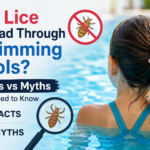
One of the biggest myths about lice is that they can leap from one head to another. In reality, lice cannot jump or fly — they can only crawl. They use their strong claws to cling tightly to hair strands. This means lice are spread through direct head-to-head contact or by sharing personal items like hats, combs, or hair accessories, not by “jumping” across the room.
3. Head Lice Prefer Clean Hair
Contrary to popular belief, head lice don’t target dirty hair. In fact, they may find it easier to attach to clean, smooth hair strands. Having lice is not a sign of poor hygiene; anyone — regardless of how often they wash their hair — can get them. This is why outbreaks can happen in schools, sleepovers, or camps even among children who wash their hair daily.
4. They Have a Very Short Lifespan Without a Host
A louse’s life is closely tied to its human host. Once removed from the scalp, a louse can only survive for about 24 to 48 hours without feeding on blood. This is why thorough cleaning of bedding, hats, and hairbrushes is essential during an infestation — it prevents lice from finding their way back to a person’s head.
5. Lice Are Species-Specific
Not all lice are created equal — the lice that infest humans can’t survive on animals, and vice versa. For example, dog lice or cat lice won’t live on humans, and human lice can’t survive on pets. Each type of louse has adapted to the body temperature, hair type, and blood chemistry of its preferred host. So, if your child brings home lice, you don’t have to worry about treating the family pet.
6. Female Lice Are Super Egg-Laying Machines
A single adult female louse can lay up to 4-10 eggs (nits) per day. Over her lifetime of about a month, she can produce more than 200 eggs. This explains why lice infestations can escalate quickly if not treated promptly. These eggs are glued to hair strands with a sticky substance, making them hard to remove without proper tools.
7. Nits and Lice Are Not the Same Thing
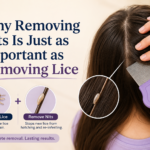
Many people use the terms “nits” and “lice” interchangeably, but they’re not the same. Nits are the eggs of lice, while lice are the living insects. Nits are tiny, oval-shaped, and usually yellow or white, sticking firmly to hair shafts. Once they hatch (in about 7–10 days), the baby lice are called nymphs until they grow into adults.
8. Lice Are Highly Resistant to Some Treatments
Over time, lice have developed resistance to certain chemical treatments, especially over-the-counter shampoos containing permethrin or pyrethrin. This is why some infestations persist despite repeated use of these products. Professional lice removal services often use specialized combing techniques and alternative treatments to eliminate lice more effectively.
9. Lice Infestations Are More Common in Children
Children, especially those between 3 and 11 years old, are more likely to get lice than adults. This is mainly because kids have more frequent head-to-head contact during playtime, group activities, or naps. Schools and daycare centers are common places for lice outbreaks to start.
10. Lice Can Cause More Than Just Itchiness
While the most noticeable symptom of lice is an itchy scalp, constant scratching can lead to skin irritation, redness, and even secondary infections if bacteria enter the broken skin. In rare cases, lice infestations can also cause swollen lymph nodes due to the body’s immune response to repeated bites.
How to Prevent and Manage Lice
Knowing these surprising facts is helpful, but prevention and quick action are key. Here are a few effective steps:
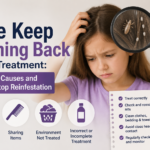
Avoid sharing hats, combs, or hair accessories.
Regularly check children’s hair, especially during school outbreaks.
Tie long hair into braids or buns to reduce exposure.
Use a fine-toothed lice comb if you suspect an infestation.
Follow through with treatment and re-check hair after 7–10 days to remove any newly hatched lice.
Conclusion
Lice may be small, but they have an impressive history and resilience. They’ve been around for thousands of years, thriving despite human efforts to eliminate them. From their preference for clean hair to their incredible egg-laying abilities, these surprising facts show that lice are more than just an itchy nuisance; they’re a well-adapted part of human history.
While getting lice can be stressful, it’s not a reflection of personal cleanliness. By understanding how they live, spread, and survive, you can take effective steps to treat and prevent infestations. Remember, early detection and consistent treatment are your best defenses against these tiny but tenacious pests.
For a fast, effective, and hassle-free lice removal experience, trust Bye Nits Salon, your expert partner in getting rid of lice for good.