
5 معلومات أساسية عن القمل يجب على كل والد معرفتها
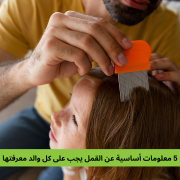
تُعدّ الإصابة بالقمل مصدر قلق شائع لدى العائلات التي لديها أطفال في سن المدرسة. هذه الطفيليات الصغيرة، وإن لم تكن خطيرة، إلا أنها قد تُسبب إزعاجًا وتوترًا كبيرين للأطفال والآباء على حد سواء. على الرغم من الوصمة الاجتماعية المرتبطة بالقمل، فإن فهم الحقائق يُساعد في إدارة الإصابة والوقاية منها بفعالية أكبر. إليك خمس نصائح أساسية يجب على كل والد معرفتها عن القمل: 1. القمل ليس علامة على سوء النظافة من أكثر الخرافات شيوعًا حول قمل الرأس هي أنه ناتج عن سوء النظافة. هذا ببساطة غير صحيح. لا يُميّز القمل بين الناس؛ فقد يُصيب أي شخص بغض النظر عن عدد مرات الاستحمام أو غسل الشعر بالشامبو. في الواقع، يُفضّل القمل الشعر النظيف لأنه يُسهّل عليه الالتصاق بجذع الشعرة وفروة الرأس. قد يُسبب هذا المفهوم الخاطئ إحراجًا لا داعي له للأطفال والآباء على حد سواء. إن فهم أن القمل مشكلة شائعة لا علاقة لها بالنظافة يُساعد في تقليل الوصمة الاجتماعية ويُشجّع على العلاج الفوري. ٢. ينتشر القمل بشكل رئيسي من خلال ملامسة الرأس. على عكس الاعتقاد السائد، نادرًا ما ينتشر القمل من خلال مشاركة القبعات أو الأمشاط أو أغطية الفراش. الطريقة الأكثر شيوعًا للانتقال هي ملامسة الرأس مباشرةً. الأطفال أكثر عرضة للإصابة بسبب تفاعلاتهم الجسدية القريبة أثناء اللعب والمدرسة والمبيت. معرفة كيفية انتشار القمل تساعد الآباء على تركيز استراتيجيات الوقاية بشكل أكثر فعالية. تعليم الأطفال تجنب ملامسة الرأس لفترات طويلة، ومنع مشاركة الأغراض الشخصية مثل فرش الشعر والقبعات، يمكن أن يقلل بشكل كبير من خطر الإصابة. ٣. الحكة ليست فورية دائمًا. يعتقد العديد من الآباء أن الحكة هي أول علامة على الإصابة بالقمل، ولكن ليس كل الأطفال يعانون من الحكة فورًا. قد يستغرق الأمر من ٤ إلى ٦ أسابيع بعد الإصابة الأولية قبل أن يسبب رد الفعل التحسسي لدغات القمل حكة ملحوظة. في بعض الحالات، قد لا يعاني الأطفال من الحكة على الإطلاق. لهذا السبب، يُعد فحص الرأس بشكل دوري، وخاصة بعد التعرض المعروف، أمرًا ضروريًا. استخدم مشطًا دقيق الأسنان لإزالة القمل لفحص فروة رأس طفلك بانتظام، خاصةً خلف الأذنين ومؤخرة العنق، حيث يميل القمل للتجمع. 4. العلاجات المتاحة دون وصفة طبية ليست كافية دائمًا تتوفر العديد من علاجات القمل المتاحة دون وصفة طبية، ولكن ليست جميعها بنفس الفعالية. فقد طور القمل مقاومة للعديد من العلاجات الكيميائية التقليدية، مما يجعلها أقل فعالية. بالإضافة إلى ذلك، غالبًا ما لا تقضي هذه المنتجات على بيض القمل (الصئبان)، مما يعني ضرورة تكرار العلاجات والتمشيط الدقيق للقضاء على الإصابة تمامًا. يجب على الآباء أيضًا الاطلاع على خدمات إزالة القمل الطبيعية أو الاحترافية التي تقدم خيارات غير سامة. يعتمد اختيار الطريقة المناسبة على شدة الإصابة، وحساسية بشرة طفلك، وتفضيلك الشخصي لمكونات العلاج. ٥. التدابير الوقائية والتواصل أمران بالغي الأهمية بعد التعامل مع القمل، تصبح الوقاية أولوية. اربط الشعر الطويل للخلف على شكل ضفائر أو كعكات لتجعل من الصعب على القمل الإمساك به. استخدم بخاخات طاردة للقمل مصنوعة من زيوت عطرية مثل شجرة الشاي أو إكليل الجبل أو الخزامى. علّم الأطفال عدم مشاركة أغراضهم الشخصية التي تلامس الرأس. ولا يقل أهمية عن ذلك التواصل – فإبلاغ مدرسة طفلك أو حضانته أو مجموعة اللعب يساعد على منع انتشار المرض ويشجع على الاستجابة الجماعية. لم تعد معظم المدارس تشترط سياسة “منع القمل” عند العودة، لكن الشفافية لا تزال ضرورية للسيطرة على تفشي المرض. الخلاصة يُعد فهم القمل الخطوة الأولى لإدارة ومنع الإصابة به في منزلك. من خلال دحض الخرافات حول النظافة، والتركيز على كيفية انتشار القمل، وإدراك أن الحكة ليست دائمًا العلامة الأولى، واستكشاف جميع خيارات العلاج، وإعطاء الأولوية للوقاية والتواصل، يمكن للوالدين التعامل مع مشاكل القمل بثقة وهدوء أكبر. تذكروا أن القمل ظاهرة شائعة في مرحلة الطفولة، وليس مجرد مشكلة. بالمعرفة والنهج الصحيحين، يمكنكم حماية عائلتكم والاستجابة بسرعة في حال ظهوره. لتخفيف عناء إزالة القمل وضمان علاج فعال ومناسب للأطفال، احجزوا موعدًا مع صالون “باي نتس” اليوم، شريككم الموثوق في إزالة القمل والوقاية منه باحترافية.
دليل علاج قمل الرأس بدون ذعر
قمل الرأس: مجرد ذكر هذه الآفات الصغيرة كفيلٌ بإثارة الرعب في قلوب أي والد. لكن قبل أن تُصاب بالذعر، من المهم أن تعلم أن الإصابة بالقمل شائعة، ويمكن السيطرة عليها، والأهم من ذلك، علاجها. سواءٌ عاد طفلك إلى المنزل وهو يُحكّ رأسه أو لاحظتَ تلك الصئبان المُؤشّرة، خذ نفسًا عميقًا. سيساعدك هذا الدليل الخالي من الذعر لعلاج قمل الرأس على التعامل مع الموقف بهدوء وفعالية. ما هو قمل الرأس؟ قمل الرأس حشرات صغيرة بلا أجنحة تعيش على فروة الرأس وتتغذى على الدم. وهي أكثر شيوعًا لدى الأطفال الذين تتراوح أعمارهم بين 3 و11 عامًا، وخاصةً أولئك الذين يذهبون إلى المدارس أو دور الحضانة. لا تُنشر هذه الطفيليات الأمراض، ولكنها قد تُسبب حكةً شديدةً وانزعاجًا. تبدأ الإصابة بالقمل عندما تضع أنثى القملة بيضها (الصئبان) على جذع الشعر بالقرب من فروة الرأس. يفقس الصئبان في غضون أسبوع تقريبًا، وتستمر الدورة ما لم يُقاطعها العلاج. تحديد الإصابة الخطوة الأولى في علاج القمل هي التأكد من وجود القمل أو الصئبان. تشمل العلامات: حكة مستمرة في فروة الرأس أو الرقبة شعور بدغدغة عند رؤية شيء يتحرك في الشعر نتوءات حمراء صغيرة ناتجة عن لدغات صئبان أبيض أو أصفر ملتصق بجذوع الشعر (على عكس قشرة الرأس، لا يتقشر) استخدم مشطًا دقيق الأسنان أو مشطًا مخصصًا للقمل لفحص فروة الرأس تحت إضاءة جيدة، مع التركيز على خلف الأذنين ومؤخرة العنق. دليل العلاج خطوة بخطوة 1. لا داعي للذعر قمل الرأس ليس علامة على سوء النظافة أو ظروف المعيشة غير النظيفة. أي شخص معرض للإصابة به. حافظ على هدوئك وتعامل مع الموقف بمنهجية. 2. اختر علاجًا يمكنك اختيار العلاجات المتاحة دون وصفة طبية، أو بوصفة طبية، أو العلاجات الطبيعية: الشامبوهات المتاحة دون وصفة طبية: تُستخدم عادةً المنتجات التي تحتوي على البيرميثرين أو البيريثرين. اتبع التعليمات بدقة وكرر العلاج بعد 7-10 أيام. العلاجات الموصوفة: إذا لم تُجدِ العلاجات المتاحة دون وصفة طبية نفعًا، فقد يصف الطبيب علاجات أقوى مثل الإيفرمكتين أو سبينوساد. العلاجات الطبيعية: يجرب بعض الآباء الزيوت الاساسية مثل زيت شجرة الشاي أو زيت النيم. على الرغم من أنها غير مثبتة علميًا دائمًا، إلا أنها قد تكون فعالة عند استخدامها مع إزالة الصئبان يدويًا. 3. مشط الصئبان باستخدام مشط دقيق الأسنان، قسّم الشعر ومشطه من فروة الرأس إلى الأطراف. امسح المشط بمنشفة ورقية بعد كل تمريرة للتحقق من وجود قمل أو بيض. يجب تكرار هذه الخطوة يوميًا لمدة أسبوع إلى أسبوعين. 4. نظّف بيئتك مع أن القمل لا يبقى حيًا طويلًا خارج فروة الرأس، إلا أنه من الحكمة: غسل أغطية الأسرة والقبعات والملابس التي ارتديتها خلال الـ 48 ساعة الماضية بالماء الساخن تنظيف الأثاث المنجد ومقاعد السيارة بالمكنسة الكهربائية نقع الأمشاط والفرش في الماء الساخن لمدة 10 دقائق على الأقل تجنب التنظيف المفرط، مثل تبخير المنزل – ينتشر القمل من خلال الاتصال المباشر، وليس من المنازل المتسخة. 5. الإبلاغ والوقاية أبلغ مدرسة طفلك أو حضانة الأطفال حتى يتمكنوا من تنبيه الآباء الآخرين. لمنع عودة الإصابة: شجع الأطفال على تجنب مشاركة الأمشاط والقبعات وإكسسوارات الشعر. اربط الشعر الطويل على شكل ضفائر أو كعكات أثناء الدراسة. قم بإجراء فحوصات أسبوعية في حال ظهور أي تفشٍ للقمل. متى تطلب المساعدة الطبية؟ إذا استمر القمل بعد العلاج، ففكّر في زيارة صالون علاج القمل أو استشارة طبيب أمراض جلدية. تستخدم خدمات إزالة القمل الاحترافية تقنيات تمشيط ومنتجات متخصصة للقضاء على القمل تمامًا. الخلاصة قد يكون التعامل مع قمل الرأس أمرًا مرهقًا، ولكن من المهم أن تتذكر أنه مشكلة مؤقتة وقابلة للعلاج. بالحفاظ على هدوئك واتباع نهج تدريجي، يمكنك القضاء على القمل بفعالية ومنع الإصابة به في المستقبل. الكشف المبكر، والعلاج المنتظم، والتواصل الجيد مع مدرسة طفلك هي العوامل الأساسية. باستخدام الأدوات والعقلية المناسبة، ستتخلص عائلتك من القمل في وقت قصير – دون الحاجة للذعر. إذا كنت تبحث عن علاج سريع وموثوق به وخالٍ من التوتر لقمل الرأس، فإن صالون باي نتس هنا لمساعدتك. يستخدم خبراؤنا المدربون طرقًا آمنة وفعالة ومناسبة للأطفال لإزالة القمل والصئبان في زيارة واحدة. لماذا تتعب نفسك بالمنتجات التي لا تستلزم وصفة طبية بينما يستطيع الخبراء التعامل معك؟ احجز موعدك مع صالون باي نتس اليوم واستمتع براحة البال لأن عائلتك بين أيدٍ خبيرة. اتصل الآن أو تفضل بزيارة موقعهم الإلكتروني لحجز جلسة إزالة القمل.
لا تتجاهل هذه العلامات الأربع لقمل الرأس: ما يجب أن يعرفه كل والد
تُعد الحكة الشديدة من أوائل وأكثر علامات قمل الرأس شيوعًا، وخاصةً حول فروة الرأس والرقبة وخلف الأذنين. تحدث هذه الحكة نتيجة رد فعل تحسسي تجاه قمل اللعاب الذي يحقنه أثناء الرضاعة. قد تصبح الحكة لدى بعض الأشخاص، وخاصةً الأطفال، لا تُطاق وتؤدي إلى الهرش المستمر، وأحيانًا حتى أثناء النوم. في حين أنه من السهل الخلط بين هذا وبين قشرة الرأس أو جفاف الجلد، إلا أن حكة القمل تكون أكثر ثباتًا وتزداد سوءًا مع مرور الوقت. إذا كان طفلك يحك رأسه بشكل متكرر وشديد، فقد حان الوقت لمزيد من البحث. 2. نتوءات حمراء وقروح على فروة الرأس إذا لم يُلاحظ إصابة القمل، فقد يؤدي الحك المستمر إلى ظهور نتوءات حمراء وتهيج، وحتى قروح مفتوحة على فروة الرأس. يمكن أن تصاب هذه القروح بالعدوى إذا دخلت البكتيريا إلى الجلد المتشقق، مما يسبب ألمًا وتورمًا إضافيين. في الحالات الشديدة، قد تتورم الغدد الليمفاوية في الرقبة بسبب العدوى. يجب على الآباء فحص فروة رأس طفلهم عن كثب تحت إضاءة جيدة. إذا ظهرت علامات حمراء أو جروح ناتجة عن خدش، فقد يكون الأمر أكثر من مجرد حساسية الجلد – فقد يكون علامة على وجود القمل منذ فترة. 3. صئبان أو قمل مرئي في الشعر القمل صغير الحجم، ولكن بالفحص الدقيق، يمكن رؤيته. يبلغ حجم القمل البالغ حجم حبة السمسم تقريبًا، وقد يتحرك بسرعة عبر فروة الرأس، مما يجعل اكتشافه أصعب. أما الصئبان (بيض القمل)، فيُسهّل اكتشافه. يكون هذا البيض بيضاوي الشكل، أصفر أو أبيض، ويلتصق بقوة بجذع الشعرة بالقرب من فروة الرأس، وخاصة خلف الأذنين ومؤخرة العنق. على عكس قشرة الرأس أو الوبر، يصعب إزالة الصئبان بالفرشاة. إذا رأيت شيئًا في شعر طفلك لا يتحرك، فمن المحتمل جدًا أن يكون صئبانًا. يُعد استخدام مشط ذي أسنان دقيقة تحت الضوء الطبيعي من أكثر الطرق فعالية للكشف عن هذه الآفات. ٤. شكاوى من إحساس بالزحف قد يصف الأطفال أحيانًا إحساسًا بحركة أو دغدغة شيء ما على فروة رأسهم. غالبًا ما يكون سبب هذا الإحساس هو زحف القمل نفسه عبر الشعر. مع أن هذه علامة أقل وضوحًا، إلا أنها تُثير قلقًا إذا استمر طفلك في الشكوى منها، خاصةً عند اقترانها بأعراض أخرى مثل الحكة أو ظهور الصئبان. يجد العديد من الأطفال صعوبة في و تنتشر الإصابة بقمل الرأس في الإمارات العربية المتحدة أكثر مما يدركه الكثير من الآباء، وخاصةً بين الأطفال الذين تتراوح أعمارهم بين 3 و11 عامًا. تعيش هذه الطفيليات الصغيرة على فروة الرأس وتتغذى على دم الإنسان، وتنتشر بسرعة من خلال ملامسة الرأس. ورغم أن القمل ليس ضارًا ولا يدل على سوء النظافة، إلا أنه قد يسبب انزعاجًا وقلقًا كبيرين. لذا، يُعد الكشف المبكر أمرًا بالغ الأهمية لتجنب تفشي المرض في المدارس والمنازل. إذا لاحظت أيًا من العلامات التالية، فلا تتجاهلها، فقد تكون مؤشرًا واضحًا على ضرورة طلب علاج احترافي للقمل في الإمارات العربية المتحدة. 1. الحكة والهرش المستمران صف الشعور بدقة، ولكن ينبغي على الآباء أخذ هذه الشكاوى على محمل الجد وإجراء فحص دقيق للرأس. الخلاصة قد يكون قمل الرأس مشكلة شائعة لدى الأطفال، ولكن هذا لا يعني الاستهانة به. كلما أسرعت في تحديد العلامات – مثل الحكة المستمرة، أو النتوءات الحمراء، أو ظهور الصئبان، أو الشكوى من إحساس بالزحف – كان من الأسهل علاج الإصابة ومنع انتشارها إلى الآخرين في عائلتك أو مجتمعك. الكشف المبكر أمر بالغ الأهمية. إذا كنت تشك في وجود قمل رأس، فاستشر خبيرًا في إزالة القمل أو استخدم علاجًا معتمدًا طبيًا للقمل في أسرع وقت ممكن. اتبع ذلك بتمشيط وتنظيف شامل للفراش والأغراض الشخصية لمنع إعادة الإصابة. تذكر أن قمل الرأس لا يميز بين الأنواع، ويمكن أن يصيب أي شخص. من خلال اليقظة والاستجابة لهذه العلامات الرئيسية الأربع، يمكنك معالجة المشكلة بسرعة وبأقل قدر من التوتر. هل لاحظت أيًا من هذه العلامات؟ لا تنتظر! احجز جلسة فحص وإزالة احترافية للقمل مع صالون باي نتس – مركز علاج القمل الموثوق في أبوظبي.
هل يعاني طفلك من القمل؟ دليل عملي للآباء القلقين
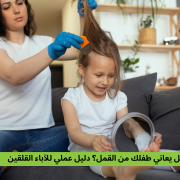
قد يكون اكتشاف إصابة طفلك بالقمل أمرًا مرهقًا، ولكنه مشكلة شائعة يمكن علاجها بفعالية. يقدم صالون باي نيتس، وهو مزود موثوق به لعلاج قمل الرأس باحترافية، حلولًا آمنة وموثوقة لمساعدة الأطفال والآباء على التعامل مع الإصابة بالقمل بهدوء. فهم قمل الرأس قمل الرأس حشرات صغيرة تعيش على فروة الرأس وتتغذى على الدم. ينتشر بسهولة من خلال التلامس المباشر بين الرأس والرأس، مما يجعل الأطفال في سن المدرسة أكثر عرضة للإصابة. على الرغم من أن القمل مزعج، إلا أنه لا ينقل الأمراض. يُعد الكشف المبكر عن القمل وعلاجه المناسب أمرًا أساسيًا لمنع انتشاره. علامات تشير إلى إصابة طفلك بالقمل حكة مستمرة في فروة الرأس، أو خلف الأذنين، أو في الرقبة ظهور نتوءات حمراء صغيرة أو تهيج في فروة الرأس قمل مرئي أو بيض أبيض (صئبان) ملتصق بخصلات الشعر اضطرابات النوم بسبب زيادة نشاط القمل ليلاً علاج احترافي للقمل في صالون باي نتس يتخصص صالون باي نتس في علاج قمل الرأس باحترافية باستخدام منتجات آمنة وغير سامة مناسبة للأطفال من جميع الأعمار. يزيل فريقنا المدرب القمل والصئبان بعناية، مما يضمن علاجًا شاملاً وراحة بال للآباء. الدعم المنزلي مع أن علاج القمل الاحترافي هو الحل الأكثر فعالية، يمكن للوالدين دعم العملية من خلال: تمشيط الشعر بانتظام: استخدم مشطًا دقيق الأسنان لإزالة القمل والصئبان. غسل الأغراض الشخصية: نظف القبعات وأغطية الوسائد وأغطية الفراش بالماء الساخن. تجنب مشاركة الأغراض: لا تشارك الأمشاط أو القبعات أو إكسسوارات الشعر. فحص أفراد الأسرة: يمكن أن ينتقل القمل بسهولة إلى الأشقاء، لذا عالج أي شخص تظهر عليه الأعراض. دعم طفلك قد يشعر الأطفال بالحرج أو القلق من الإصابة بالقمل. حافظ على نهج هادئ وداعم، وطمئهم بأن القمل شائع ويمكن علاجه بسهولة من خلال العلاج الاحترافي لقمل الرأس في صالون “باي نتس”. الخلاصة يمكن التعامل مع القمل بسهولة عند التعامل معه بسرعة وفعالية. يضمن العلاج الاحترافي للقمل في صالون “باي نتس”، إلى جانب التدابير الوقائية المنزلية، حلاً سريعًا ويمنع عودة الإصابة. مع الرعاية المناسبة، يمكن لطفلك أن يظل مرتاحًا واثقًا، بينما تكتسب راحة البال عندما تعلم أن الإصابة تحت السيطرة.
Spotting the Signs: How to Diagnose Head Lice Infestations Early
Head lice infestations are a common nuisance, especially among children. While they are not a sign of poor hygiene, they can cause discomfort and embarrassment if left untreated. Early detection is key to effective treatment and preventing the spread of lice. In this blog, we’ll explore the signs and symptoms of head lice infestations, empowering you to spot them early and seek the best head lice treatment available. Understanding Head Lice Infestations : Before delving into the signs of head lice infestations, it’s essential to understand what head lice are. Head lice are small, wingless insects that live on the scalp and feed on human blood. They lay eggs, called nits, which attach firmly to the hair shafts near the scalp. While head lice do not transmit diseases, their presence can lead to itching, irritation, and secondary infections from scratching. Signs and Symptoms: Persistent Itching: One of the most common signs of head lice infestations is persistent itching, especially around the scalp, neck, and ears. This itching occurs due to an allergic reaction to lice saliva when they feed on blood. Visible Nits: Nits are tiny, oval-shaped eggs that are often mistaken for dandruff or hair debris. They are usually found attached to the hair shafts near the scalp, particularly behind the ears and at the nape of the neck. Unlike dandruff, nits cannot be easily brushed away. Crawling Sensation: Some individuals may experience a crawling sensation on their scalp, even without visible signs of lice or nits. This sensation occurs when adult lice move around the scalp. Sores and Irritation: Constant scratching can lead to sores, redness, and irritation on the scalp. These symptoms may indicate a severe head lice infestation or a secondary bacterial infection. Difficulty Sleeping: Head lice are most active at night, which can disrupt sleep patterns in affected individuals. Children, in particular, may experience difficulty sleeping due to the discomfort caused by lice infestations. Early Diagnosis: Early diagnosis of head lice infestations is crucial for prompt treatment and preventing the spread of lice to others. Parents, teachers, and caregivers should be vigilant in checking for signs of lice, especially in children who are more susceptible to infestations. Regular scalp inspections can help detect lice and nits before they spread extensively. Steps for Diagnosing Head Lice: Use a Fine-Toothed Comb: To check for head lice, use a fine-toothed comb to separate small sections of hair and comb through the scalp from root to tip. Look for live lice, nymphs (young lice), and nits attached to the hair shafts. Inspect Behind the Ears and Neck: Pay close attention to areas behind the ears and at the nape of the neck, as lice and nits are commonly found in these areas. Use a magnifying glass or bright light to aid in the inspection. Look for Signs of Irritation: Examine the scalp for signs of redness, sores, or irritation caused by scratching. These symptoms may indicate a severe infestation requiring immediate treatment. Consult a Healthcare Professional: If you suspect a head lice infestation but are unsure, seek guidance from a healthcare professional or a qualified pharmacist. They can provide accurate diagnosis and recommend the best head lice treatment based on the severity of the infestation. Head Lice Treatment Options: Once head lice infestations are diagnosed, prompt treatment is essential to eradicate the parasites and prevent reinfestation. Several treatment options are available, including: Over-the-Counter (OTC) Products: There are numerous OTC head lice treatment shampoos, lotions, and sprays available that contain insecticides such as permethrin or pyrethrin. These products work by killing adult lice and nymphs but may not always eliminate nits. Prescription Medications: In cases of severe or resistant head lice infestations, a healthcare professional may prescribe stronger medications, such as malathion or benzyl alcohol lotion, to effectively kill lice and nits. Natural Remedies: Some individuals prefer to use natural remedies, such as tea tree oil, coconut oil, or neem oil, to treat head lice infestations. While these remedies may have some efficacy, their effectiveness varies, and they may not completely eliminate lice and nits. Manual Removal: Manual removal of lice and nits using a fine-toothed comb, known as wet combing or combing method, can be an effective treatment option, especially when combined with OTC or prescription treatments. Prevention Strategies: Preventing head lice infestations requires diligence and awareness, especially in environments where lice transmission is more likely, such as schools, daycare centers, and camps. Here are some prevention strategies to consider: Educate Yourself and Others: Learn about head lice transmission, signs, and treatment options, and share this knowledge with family members, caregivers, and community members. Avoid Head-to-Head Contact: Encourage children to avoid activities that involve head-to-head contact, such as sharing hats, scarves, hairbrushes, or headphones, to minimize the risk of lice transmission. Regular Head Checks: Conduct regular head checks on family members, especially children, using a fine-toothed comb to detect head lice infestations early. Maintain Good Hygiene: Encourage regular hair washing and discourage sharing personal items that come into contact with the hair to reduce the likelihood of lice transmission. Conclusion: Early detection of head lice infestations is crucial for effective treatment and prevention. By utilizing proper diagnosis techniques and promptly seeking appropriate hair lice treatment options, individuals can mitigate the discomfort and spread associated with these pesky parasites, ensuring scalp health and peace of mind with Bye Nits salon
7 Tips for Parents on How to Prevent Head Lice
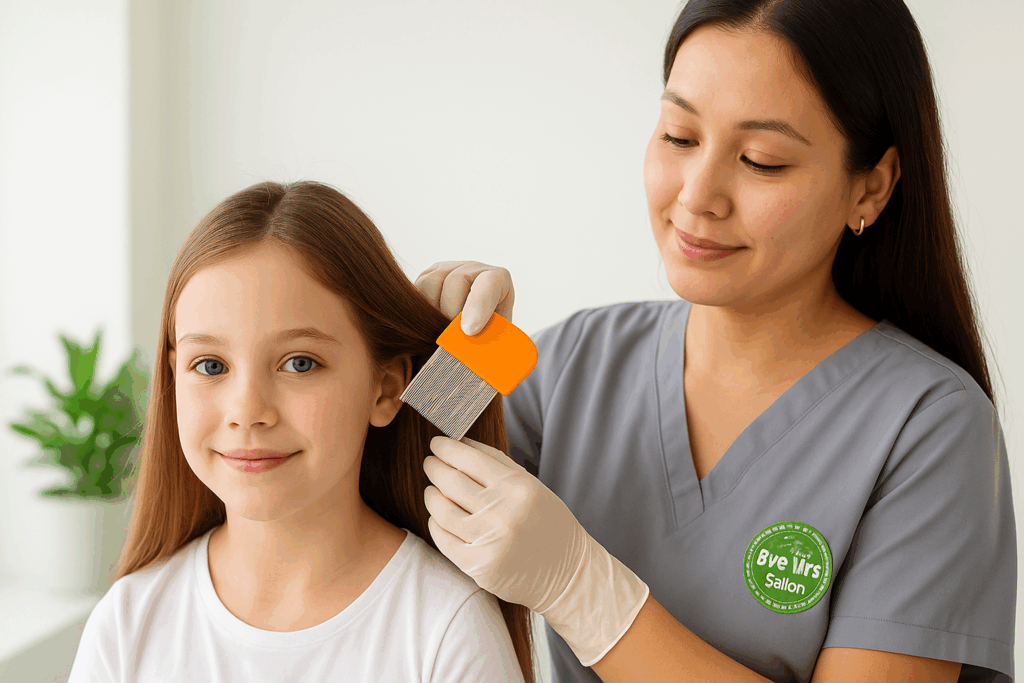
Head lice infestations are a common concern among parents, especially with the increasing prevalence of pesticide-resistant strains. These tiny parasites can cause discomfort and frustration for both children and adults. However, prevention is key to avoiding the hassle of dealing with head lice infestations. We’ll explore seven effective tips for parents to prevent head lice to protect their families from these pesky bugs and head lice treatment that is helpful for their kids and family. Who falls into the risk category for head lice infestation? Preventing lice isn’t as simple as just practicing good hygiene like washing your hair or keeping your surroundings clean. Lice don’t care how tidy your home is or if you’ve recently shampooed your hair. They also don’t come from dirty outdoor places or from pets. Most of the time, lice spread through direct human contact. Now, think about who has the most physical contact with others on a daily basis. Sure, some jobs might involve more touching than others, but nothing compares to the constant physical interaction between caretakers and children. That’s where lice often find their way from one person to another. TIPS TO PREVENT HEAD LICE Educate Your familly memeber and friends: One of the most important steps in preventing head lice is educating your children about how they spread and what they can do to avoid them. Teach your children not to share personal items such as hats, combs, brushes, and headphones with their friends. Encourage them to avoid close head-to-head and shoulder to shoulder contact during playtime and group activities. Use Lice-Repellent Hair Products: Certain hair products contain natural ingredients like tea tree oil or lavender oil, which are known to repel lice. Consider using these products regularly to help prevent head lice infestations. Additionally, keeping long hair tied back in braids or bun can make it more difficult for lice to crawl and attach to the hair. Conduct Regular Head Checks: Make it a habit to check your child’s scalp regularly for signs of head lice, such as itching or red bumps. Use a fine-tooth comb weekly to carefully comb through the hair, paying close attention to the scalp and behind the ears. Catching head lice early can prevent them from spreading to other family members or classmates. Teach Proper Hygiene Practices: While good hygiene alone won’t prevent head lice infestations, it’s still important to teach your children proper hygiene practices. Encourage them to wash their hands regularly, especially after playing with other children. Remind them not to share personal items like hats, scarves, or hair accessories with their friends. Avoid Head-to-Head Contact: Since head lice don’t jump and spread through direct, it’s important to avoid activities that involve close physical contact with other children. Encourage your child to play games that don’t require touching heads and shoulders or to participate in activities where they can maintain some distance from others. Keep Personal Belongings Separate: To prevent the spread of head lice, make sure your child’s personal belongings are kept separate from those of other children. Label your child’s belongings with their name and encourage them to keep their items in their own backpack or cubby at school. Avoid sharing items like hats, scarves, or hairbrushes with other children. Seek Professional Help: If despite your best efforts, your child does end up with head lice, don’t panic. There are professional lice removal services available that can help you effectively eliminate head lice from your child’s hair. These services use safe and effective methods to remove lice and nits without the use of harmful chemicals. Conclusion: ByeNits Salon offers Professional lice removal services which are safe and efficient solutions, ensuring thorough eradication without harmful chemicals. By staying vigilant, conducting regular head checks, and educating both children and caregivers about prevention strategies, families can successfully manage head lice infestations and maintain a lice-free environment. With proper care and attention, children can return to their daily activities with confidence and comfort, free from the discomfort and inconvenience caused by head lice.
Head Lice Treatment for Sensitive Skin: Expert Strategies and Solutions
Head lice pose a common challenge affecting individuals across all age groups. However, managing head lice can be particularly challenging for those with sensitive skin. Conventional chemical treatments carry the risk of scalp irritation and other adverse reactions, emphasizing the need for safe and effective solutions. This guide explores the unique obstacles faced by individuals with sensitive skin when dealing with head lice and provides recommendations for treatments that prioritize safety and efficacy. From established chemical treatments to non-chemical alternatives and home remedies, we offer comprehensive insights to help you effectively manage head lice while safeguarding your sensitive skin. When seeking lice treatment, prioritizing effectiveness and safety is paramount. Why Head Lice Treatment Poses Challenges for Individuals with Sensitive Skin Dealing with head lice can be challenging for everyone, especially those with sensitive skin. Individuals with sensitivity often experience redness, itching, and inflammation when exposed to certain active ingredients and chemicals found in lice treatment products. Mistaking lice for dandruff can lead to confusion and overuse of harsh chemicals, worsening skin irritation. It’s essential to choose safe and effective treatments to avoid worsening skin sensitivity. Exploring Head Lice Treatment Choices for Delicate Skin: Chemical vs. Non-Chemical Solutions When dealing with head lice and sensitive skin, various treatment options are considered. These include conventional chemical treatments, non-chemical alternatives, and home remedies that boast natural ingredients. Each category presents its pros and cons in terms of safety and efficacy, especially for sensitive skin. When choosing a lice treatment, factors such as the severity of the infestation, skin sensitivity, and potential allergies must be carefully considered. In the following sections, we will explore Head lice treatment option in detail and provide recommendations for selecting the most appropriate solution for removing nits based on your individual needs. Strategies to Reduce Skin Irritation While Treating Lice: Expert Tips For individuals with sensitive skin undergoing lice treatment, mitigating skin discomfort is crucial. Here are some tips to reduce irritation: Choose a non-chemical treatment method tailored for sensitive skin. Gently use a nit comb to remove lice and eggs from the hair. Avoid scratching or rubbing the scalp and neck excessively. Keep hair and scalp clean and hydrated. Steer clear of harsh hair products like dyes or chemical treatments. Additionally, good hair care practices should be prioritized to prevent further irritation. At Byenits salon, we use a gentle mask with essential oils treatment that soothes the scalp and moisturizes hair while eliminating lice. Consider using a moisturizing conditioner and avoiding heat styling or aggressive treatments. Our lice removal service offers extra guidance to minimize skin irritation during treatment. Symptoms of Skin Irritation in Sensitive Skin People with sensitive skin are more prone to scalp irritation, especially from aggressive chemicals in over-the-counter and prescription medications. Therefore, it’s essential to watch out for signs of skin irritation, such as: Itching and a strong urge to scratch Redness and inflammation Formation of bumps or sores on the scalp or neck Swelling and sensitivity Dry, flaky, or scaly skin Conclusion At ByeNits Salon, we provide professional lice removal Treatment that prioritize safety and efficiency. By remaining vigilant, conducting routine head checks, and educating both children and caregivers about preventative measures, families can effectively navigate head lice infestations and uphold a lice-free environment. With dedicated care and proactive measures, children can resume their daily routines with assurance and ease, liberated from the discomfort and inconvenience associated with head lice.
Why Choosing a Professional Lice Removal Service is Crucial for Your Family’s Health
Understanding Head Lice and Their Effects on Family Health Dealing with a lice infestation can be a stressful experience for any family. From the discomfort and embarrassment it brings to the potential health risks associated with improper treatment, lice outbreaks demand swift and effective action. While DIY methods and over-the-counter treatments may seem like convenient options, they often need to provide long-term solutions. In this article, we will delve into why opting for a professional lice removal service is not only crucial for eradicating infestations but also for safeguarding your family’s health and well-being. Understanding the Importance of Professional Lice Removal: Lice infestations are more than just a nuisance—they pose significant health risks if not adequately addressed. Contrary to common misconceptions, lice do not discriminate based on hygiene or cleanliness. Anyone can become infested with lice, regardless of their socioeconomic status or living conditions. Therefore, it’s essential to approach lice removal with diligence and expertise. Professional lice removal services employ trained technicians who specialize in identifying and eliminating lice infestations safely and effectively. These professionals are equipped with the knowledge, experience, and tools necessary to tackle even the most stubborn cases of lice. Ensuring Complete Eradication: One of the primary reasons why choosing a professional lice removal service is crucial is the assurance of complete eradication. Unlike over-the-counter products that may only target adult lice or eggs, professional services utilize comprehensive treatment protocols designed to eliminate lice at all stages of their life cycle. Professional technicians conduct thorough examinations of the scalp and hair to identify the presence of lice and nits (lice eggs). They use specialized combs and products that are proven to be effective in removing lice and preventing reinfestation. By addressing both live lice and their eggs, lice removal treatment provide a more thorough and lasting solution. Minimizing Health Risks: Aside from the discomfort and itchiness caused by lice bites, infestations can lead to more severe health concerns if left untreated. Scratching the scalp excessively can result in open sores and secondary bacterial infections, increasing the risk of complications such as impetigo or cellulitis. Moreover, lice infestations can have psychological and emotional effects, particularly among children who may experience feelings of embarrassment, shame, or anxiety. By promptly addressing lice infestations through professional removal services, families can minimize the potential health risks and emotional toll associated with these pests. Avoiding Harmful Chemicals: Many over-the-counter lice treatments contain harsh chemicals and pesticides that may pose risks to both health and the environment. These products often come with warnings and precautions regarding their use, especially for young children and individuals with sensitive skin or underlying health conditions. Professional lice removal services prioritize the use of safe and non-toxic treatment methods that are gentle yet effective. They utilize natural products that are specifically formulated to target lice while minimizing exposure to harmful chemicals. By choosing Byenits salon , families can avoid the risks associated with chemical-based treatments and ensure a safer approach to lice removal. Preventing Reinfestation: One of the challenges of dealing with lice infestations is preventing them from recurring. Without proper treatment and preventive measures, lice can quickly spread among family members and reinfest the household. Professional lice removal services not only eradicate existing infestations but also guide preventive strategies to minimize the risk of reinfestation. This may include recommendations for hygiene practices, environmental cleaning protocols, and ongoing monitoring to detect and address any new infestations promptly. Conclusion: When faced with a lice infestation, choosing a professional lice removal service is essential for ensuring the health and well-being of your family. From comprehensive treatment protocols to the use of safe and non-toxic products, professional technicians offer expertise and peace of mind in combating lice infestations effectively. By prioritizing professional lice removal, families can minimize health risks, prevent reinfestation, and regain control over their lives free from the burden of lice. Contact Us Now!
Tips on How to Prevent Lice infestation in Your Hair
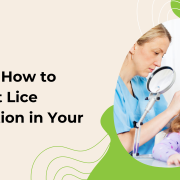
Dealing with lice infestations can be a frustrating and embarrassing experience. Once lice eggs, also known as nits, find their way into your hair, preventing them from hatching becomes difficult. While various Lice treatments and remedies are available, most will not affect the eggs. knowing how to prevent lice infestation is essential for maintaining long-term control over infestations. In this article, we’ll explore practical strategies to keep lice eggs at bay and maintain healthy, lice-free hair. Lice eggs are tiny, oval-shaped structures that attach firmly to individual hair strands close to the scalp. Adult lice lay them and typically hatch within 7 to 9 days, releasing nymphs (young lice) that grow into mature adults within 10 days. To prevent a lice infestation from worsening, it’s crucial to disrupt the life cycle of lice by preventing the nymphs from transforming to adult lice. . Lice infestations are a common nuisance, especially among children in schools and daycare settings. These tiny parasites can cause itching, irritation, and discomfort. However, one of the most challenging aspects of dealing with lice is preventing their migration from a head to another and laying new eggs known as nits. Whether you’ve undergone lice removal treatment in Abu Dhabi or are looking to prevent an infestation, these tips can help keep those pesky eggs from hatching in your hair. Here are some effective tips to help you prevent lice infestations and controlling it: Tips for Effective Prevention Strategies: Regularly Check for Lice: Prevention starts with early detection. Make it a habit to regularly check the scalp and hair for signs of lice or nits. Use a fine-toothed comb to carefully inspect small sections of hair, particularly around the nape of the neck and behind the ears, where lice and their eggs are most likely to hide. Maintain Good Hygiene Practices: Encourage good hygiene habits, such as regular hair washing with a quality lice-preventing shampoo. Cleanliness can help reduce the risk of lice infestation and prevent the spread to others. Avoid Sharing Personal Items: Lice can spread by sharing personal items like hats, hairbrushes, combs, and headphones. Advise your children not to share these items with others, especially during lice outbreaks. Use Essential Oils: Certain essential oils, such as tea tree oil, lavender oil, and eucalyptus oil, are known for their natural insect-repellent properties. Dilute a few drops of these oils in water and spray the solution onto the hair,scalp and clothes to repel lice. Consult a Professional: If despite your best efforts, you are unable to control a lice infestation, consider seeking help from a healthcare professional and lice removal specialist They can provide guidance on treatment options and offer professional lice removal services. Avoid Head-to-Head Contact: Advise against activities that involve direct head-to-head contact, such as hugging or lying on shared pillows or cushions. Minimising contact reduces the risk of lice transmission. By following these tips and incorporating preventive measures into your routine, you can significantly reduce the risk of lice eggs hatching in the hair and prevent the spread of infestations. Remember that early detection and prompt action are essential to effectively managing lice outbreaks and keeping the scalp and hair lice-free. Conclusion: Preventing lice infestation in the hair requires a combination of vigilance, hygiene practices, and preventive measures. By incorporating these strategies into your hair care routine and contacting professional lice removal treatment when necessary, you can effectively protect yourself and your family from lice infestations. Remember to stay proactive and consistent in your efforts to maintain lice-free hair and scalp health.
10 Simple Steps for Detecting Lice on Your Child
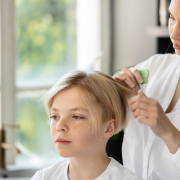
When your child comes home scratching their head more than usual, lice might be the cause. Head lice are tiny parasitic insects that live on the scalp and feed on human blood. They spread quickly in schools and daycare centers, often causing panic among parents. However, detecting lice early can make treatment much easier and prevent further spread. In this article, we’ll guide you through 10 simple and effective steps to detect lice on your child—plus when to seek professional help like that offered by Bye Nits Salon, a trusted lice treatment expert. Step 1: Watch for Signs of Itching The most common symptom of head lice is persistent itching, especially behind the ears, the nape of the neck, and the crown of the head. This itching is caused by an allergic reaction to lice bites. However, not all children experience noticeable itching, so don’t rely on this symptom alone. Step 2: Examine the Scalp in Bright Light Natural sunlight or a bright lamp is ideal for spotting lice. Part your child’s hair into small sections and closely examine the scalp and hair shafts. Lice are small (about the size of a sesame seed) and move quickly, so you’ll need patience and good lighting. Step 3: Look for Live Lice Adult lice are grayish-white or tan and can be seen crawling through the hair. They avoid light and move fast, making them tricky to spot. You might need to use a magnifying glass for better visibility. Step 4: Check for Nits (Lice Eggs) Nits are oval-shaped eggs that attach firmly to hair shafts, close to the scalp. They are usually yellowish or white and are often mistaken for dandruff. Unlike dandruff, nits won’t flake off easily. Most nits are found within a quarter-inch of the scalp, especially near the nape and behind the ears Step 5: Use a Fine-Toothed Lice Comb A special lice comb is a crucial tool in detection. Wet your child’s hair slightly and section it. Comb each section from scalp to tip, wiping the comb onto a white paper towel after each pass. If lice or nits are present, you’ll likely see them on the towel. Step 6: Check All Family Members Lice are contagious. If one child has lice, it’s essential to check all household members, including adults. Siblings who share beds, combs, or towels are at higher risk. Step 7: Examine Items in Close Contact Inspect personal items like pillows, hats, hairbrushes, and headphones. While lice cannot survive more than 24–48 hours off a human scalp, it’s still good to keep these items clean and separate during an outbreak. Step 8: Repeat the Check for 2–3 Days Lice can be missed during the first check. Re-inspect your child’s scalp every day for a few days to be sure. New nits or lice may hatch, especially if you checked too early in the infestation. Step 9: Know What’s NOT Lice Sometimes parents confuse other scalp conditions with lice. Dandruff, dirt, or dried hair products may look similar but can be brushed or flicked off easily, unlike nits. Also, a dry scalp may cause itching that’s unrelated to lice. Step 10: Seek Professional Help When in Doubt If you’re still unsure after checking, or if you’ve confirmed an infestation, it’s best to consult professionals. That’s where Bye Nits Salon comes in. Bye Nits Salon offers safe, effective, and chemical-free lice treatment services for kids and families. Their trained specialists use proven techniques and lice-removal tools to ensure your child is lice-free. Conclusion: Early Detection Is Key Detecting lice early can save you and your child a lot of trouble. Regular scalp checks, especially during school seasons or sleepovers, can catch lice before they spread. Use these 10 simple steps to inspect your child’s head carefully. And if you ever feel overwhelmed or need expert help, remember that Bye Nits Salon is just a call away. Their gentle, kid-friendly approach and proven results make lice removal fast, safe, and worry-free. Book your child’s professional lice screening and treatment today at Bye Nits Salon—your go-to solution for a lice-free life. FAQs Q1. How can I tell the difference between lice and dandruff? A: Dandruff flakes are loose and can be easily brushed away. Lice eggs (nits), on the other hand, are oval-shaped and glued to the hair shaft, usually within a quarter-inch of the scalp. They don’t flake off. Q2. Do lice jump from one person to another? A: No, lice do not jump or fly. They crawl and spread through direct head-to-head contact or by sharing items like combs, hats, or bedding. Q3. How often should I check my child for lice? A: If there’s a known outbreak or your child is scratching frequently, check daily for a week. During school season or after group activities (like camps), it’s good practice to check once a week. Q4. Can my child still go to school if they have lice? A: This depends on your school’s policy. Some schools require treatment before returning, while others allow attendance after treatment begins. A visit to Bye Nits Salon can help ensure quick clearance. Q5. Is lice removal painful for kids? A: No, it shouldn’t be. At Bye Nits Salon, trained professionals use gentle, non-toxic methods and child-friendly techniques to make the process smooth and comfortable.