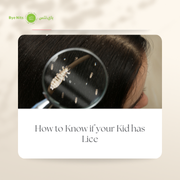
Head lice are one of the most common problems among school-going children, especially between the ages of 4 and 12. Because kids play closely, share items, hug often, and sit together in classrooms, lice spread quickly, sometimes in just a single school day. Many parents in the UAE experience sudden outbreaks at home, wondering how their child got lice and how to identify it before it spreads to siblings or adults.
The biggest challenge? Lice are fast, tiny, and incredibly good at hiding. They don’t live in dirt, don’t jump, and don’t spread through poor hygiene, meaning even the cleanest, neatest child can get lice. That’s why early detection is crucial. The faster parents notice lice, the easier it is to treat, prevent spreading, and stop eggs (nits) from multiplying. Ignoring early signs can lead to intense itching, inflammation, sleepless nights, school embarrassment, and eventually stubborn infestations that require professional treatment.
This guide explains every sign, symptom, and visual indicator that parents should look for. If lice are suspected, knowing that trusted, chemical-free professional solutions are available in the UAE can reassure parents and help them resolve the issue.
What Exactly Are Head Lice?
Head lice are tiny parasites that live on the scalp and feed on small amounts of blood. They cannot jump or fly; they crawl quickly and cling tightly to hair. Because they multiply rapidly, a single female louse can lay 6–10 eggs per day.
Life Stages of Head Lice Found in Children
- Nits (Eggs): Small, oval, usually yellow, white, or brownish; stuck firmly to hair strands.
- Nymphs: Baby lice that hatch from nits.
- Adult Lice: Full-grown insects about the size of a sesame seed.
Understanding their lifecycle helps parents detect lice early, before the infestation becomes severe.
The 10 Most Common Signs Your Kid Has Lice
Below is a complete checklist parents can use at home.
1. Persistent Head Scratching
This is usually the first symptom. Lice bites cause allergic reactions on the scalp, leading to itching. However:
- Not all children feel itchy immediately.
- Some feel itching only after weeks of infestation.
- Nighttime itching is often more noticeable.
If your child is scratching repeatedly, especially behind the ears or near the neck, check immediately.
2. Red Bumps or Rashes on the Scalp
Lice bites can cause tiny red bumps that may look like:
- Heat rash
- Mosquito bites
- Small pimples
These bumps often appear on:
- Nape of the neck
- Behind the ears
- Top of the head
If you notice a cluster of red marks, it’s a strong sign of lice activity.
3. White or Brown Specks Stuck on Hair
Parents often confuse dandruff with nits. Here’s the difference:
Feature | Nits | Dandruff |
Color | White/yellow/brown | White |
Location | Attached to the hair shaft | On scalp |
Movement | Won’t move when blown | Falls easily |
Shape | Oval, uniform | Flakes, irregular |
Hard to remove? | Yes | No |
If the speck doesn’t move when you try to flick it, it’s most likely a nit.
4. Crawling Feeling on the Head
Kids often describe the sensation as:
- “Bugs walking on my head”
- “Tickling feeling”
- “Something moving in my hair”
This feeling becomes stronger when lice are active at night.
5. Difficulty Sleeping
Lice are more active in the dark.
If your child:
- Tosses and turns
- Scratches while sleeping
- Wakes up due to irritation
…it may indicate lice.
Related Post: “How Long Does It Take for Lice to Lay Eggs? – Expert Lice Removal Guide in the UAE”
6. Irritability and Mood Changes
Irritation caused by lice can make kids:
- Annoyed
- Distracted
- Emotional
- Sensitive to touch
This is especially common in toddlers who can’t explain discomfort.
7. Swollen Lymph Nodes (Severe Cases)
Persistent scratching can cause:
- Skin irritation
- Infection
- Swelling near the ears or neck
If you notice swelling, seek attention immediately.
8. Tiny Black Dots on Pillow or Shirt
These are often:
- Lice droppings
- Crushed lice
- Fallen nits
Finding these on bedding is a significant warning sign.
9. Tangled, Matted Hair at the Roots
Lice produce a sticky substance that makes hair clump together.
If your child’s roots look tangled, this can indicate a growing infestation.
10. Seeing Live Lice
This is the most obvious sign, but also the hardest, because lice move FAST.
Look closely at:
- Hair roots
- Behind the ears
- Neck area
- Crown of the head
Use natural sunlight or a bright flashlight.
If you spot even ONE live louse, get in touch with Bye Nits. Immediate treatment is required to prevent spreading.
Where to Check for Lice on Your Child’s Head
Lice prefer warm, hidden areas. Always check:
- Behind the ears
- Base of the skull
- Crown of the head
- Under long hair sections
- The hairline around the face
Why Children in the UAE Get Lice Frequently
- Warm climate accelerates lice reproduction
- Schools and nurseries have close-contact environments.
- Kids share hair accessories, scarves, and towels.
- Frequent playdates and group activities.
Lice Spread Risk in UAE Schools
Nursery: ██████████████
Primary: ███████████████████████
Grade 5–7: ███████████
Grade 8–10: ████
Younger kids are at the highest risk due to closer physical contact.
How to Confirm Lice at Home: 3-Step Method
Step 1: Use a Bright Light
Natural sunlight works best.
Step 2: Separate Hair into Thin Sections
Check each section near the roots.
Step 3: Use a Fine-Toothed Comb
A lice comb helps reveal hidden nits.
If unsure, seek a professional lice screening service in the UAE.
When to Visit a Professional Lice Removal Service
If you notice:
- Live lice
- Many eggs
- Red rashes
- Your child can’t sleep
- Home treatment isn’t working
- Lice return within a week
…it’s time to get help from specialists. Book now.
Final Words
Early detection is the most essential step in stopping lice from spreading through your home, school, or community. Children get lice not because of poor hygiene but because lice are highly contagious and spread through simple head-to-head contact. Now that you know every sign to look for, from itching and nits to behavioural changes, you can check your child regularly and take action immediately. Understanding how long does it take for lice to hatch and spread can also help you identify the right time to treat and prevent further infestation effectively.
If you’re unsure, overwhelmed, or dealing with a persistent lice problem, expert help is available.
Visit us today and book a safe, fast, chemical-free lice removal session.
FAQ’s About How to Know if your Kid has Lice
1. Can clean children get lice?
Yes. Lice do not prefer dirty or clean hair; they seek warmth and blood. Any child can get lice through close contact.
2. How early can I detect lice in my child?
Parents usually notice lice after 2 to 3 weeks because early stages are very hard to detect. Nits appear before live lice, and itching often starts only after the infestation grows. Regular checks are the best way to catch it early.
3. Do lice go away on their own?
No. Without proper treatment, lice multiply rapidly. A single untreated case can turn into a full infestation in 2–3 weeks.
Discover Expert Lice Care in the UAE
Where precision, protection, and peace of mind come together.