Head lice infestations are a common concern among parents, especially with the increasing prevalence of pesticide-resistant strains. These tiny parasites can cause discomfort and frustration for both children and adults. However, prevention is key to avoiding the hassle of dealing with head lice infestations. We’ll explore seven effective tips for parents to prevent head lice to protect their families from these pesky bugs and head lice treatment that is helpful for their kids and family.
Who falls into the risk category for head lice infestation?
Preventing lice isn’t as simple as just practicing good hygiene like washing your hair or keeping your surroundings clean. Lice don’t care how tidy your home is or if you’ve recently shampooed your hair. They also don’t come from dirty outdoor places or from pets. Most of the time, lice spread through direct human contact.
Now, think about who has the most physical contact with others on a daily basis. Sure, some jobs might involve more touching than others, but nothing compares to the constant physical interaction between caretakers and children. That’s where lice often find their way from one person to another.
TIPS TO PREVENT HEAD LICE
Educate Your familly memeber and friends:
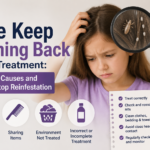
One of the most important steps in preventing head lice is educating your children about how they spread and what they can do to avoid them. Teach your children not to share personal items such as hats, combs, brushes, and headphones with their friends. Encourage them to avoid close head-to-head and shoulder to shoulder contact during playtime and group activities.
Use Lice-Repellent Hair Products:
Certain hair products contain natural ingredients like tea tree oil or lavender oil, which are known to repel lice. Consider using these products regularly to help prevent head lice infestations. Additionally, keeping long hair tied back in braids or bun can make it more difficult for lice to crawl and attach to the hair.
Conduct Regular Head Checks:
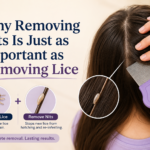
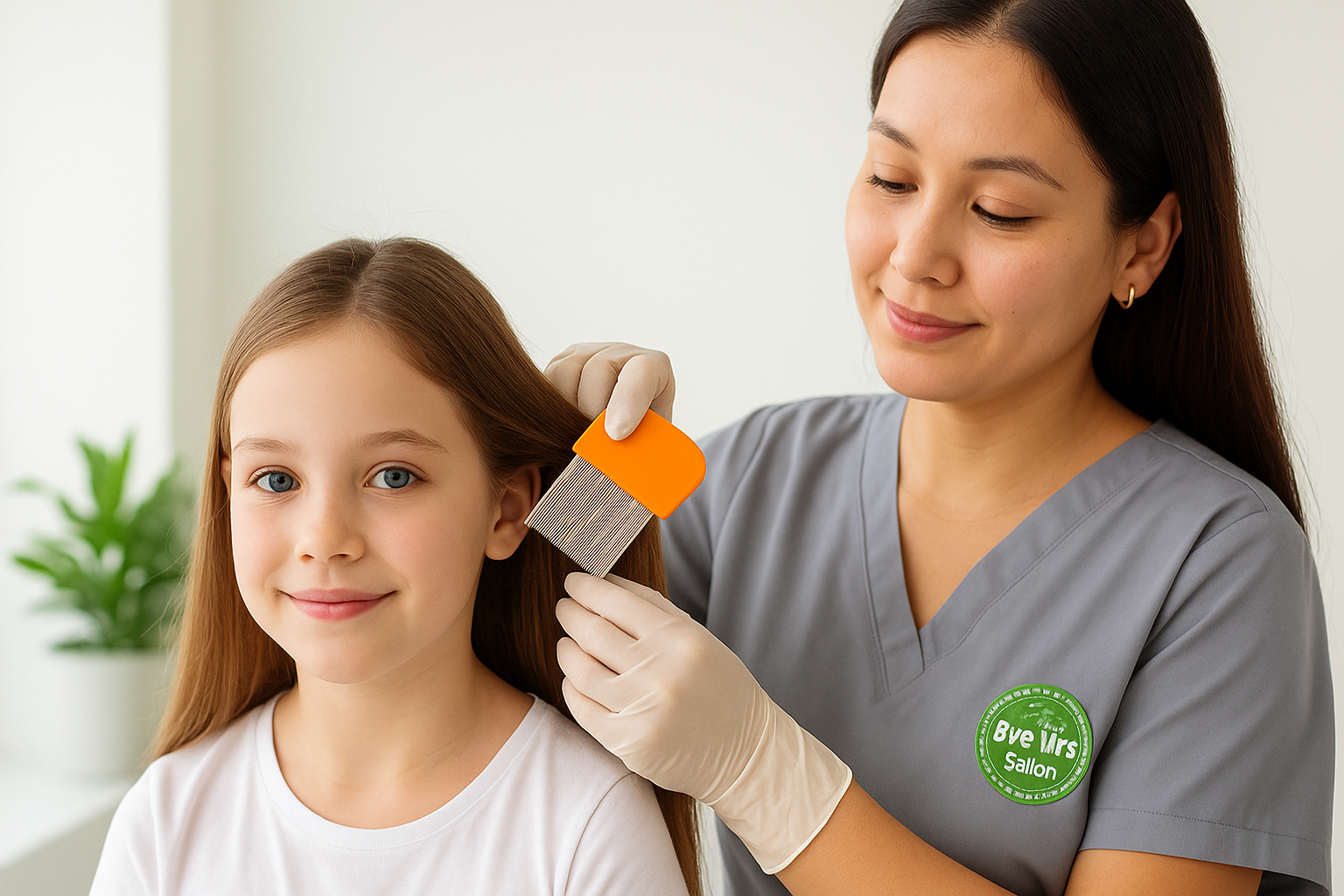
Make it a habit to check your child’s scalp regularly for signs of head lice, such as itching or red bumps. Use a fine-tooth comb weekly to carefully comb through the hair, paying close attention to the scalp and behind the ears. Catching head lice early can prevent them from spreading to other family members or classmates.
Teach Proper Hygiene Practices:
While good hygiene alone won’t prevent head lice infestations, it’s still important to teach your children proper hygiene practices. Encourage them to wash their hands regularly, especially after playing with other children. Remind them not to share personal items like hats, scarves, or hair accessories with their friends.
Avoid Head-to-Head Contact:
Since head lice don’t jump and spread through direct, it’s important to avoid activities that involve close physical contact with other children. Encourage your child to play games that don’t require touching heads and shoulders or to participate in activities where they can maintain some distance from others.
Keep Personal Belongings Separate:
To prevent the spread of head lice, make sure your child’s personal belongings are kept separate from those of other children. Label your child’s belongings with their name and encourage them to keep their items in their own backpack or cubby at school. Avoid sharing items like hats, scarves, or hairbrushes with other children.
Seek Professional Help:
If despite your best efforts, your child does end up with head lice, don’t panic. There are professional lice removal services available that can help you effectively eliminate head lice from your child’s hair. These services use safe and effective methods to remove lice and nits without the use of harmful chemicals.
Conclusion:
ByeNits Salon offers Professional lice removal services which are safe and efficient solutions, ensuring thorough eradication without harmful chemicals. By staying vigilant, conducting regular head checks, and educating both children and caregivers about prevention strategies, families can successfully manage head lice infestations and maintain a lice-free environment. With proper care and attention, children can return to their daily activities with confidence and comfort, free from the discomfort and inconvenience caused by head lice.