
All About Lice

Everything you need to know about head lice Lice cycle, how they spread, what symptoms to look for, and the best ways to treat and prevent them.

What Are Head Lice?

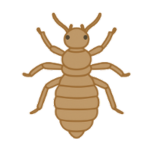
Head lice are tiny insects that live on the scalp and feed on small amounts of blood. They are very common among school-aged children but can affect anyone in close contact.

Size: About the size of a sesame seed
Color: White, gray, or brown
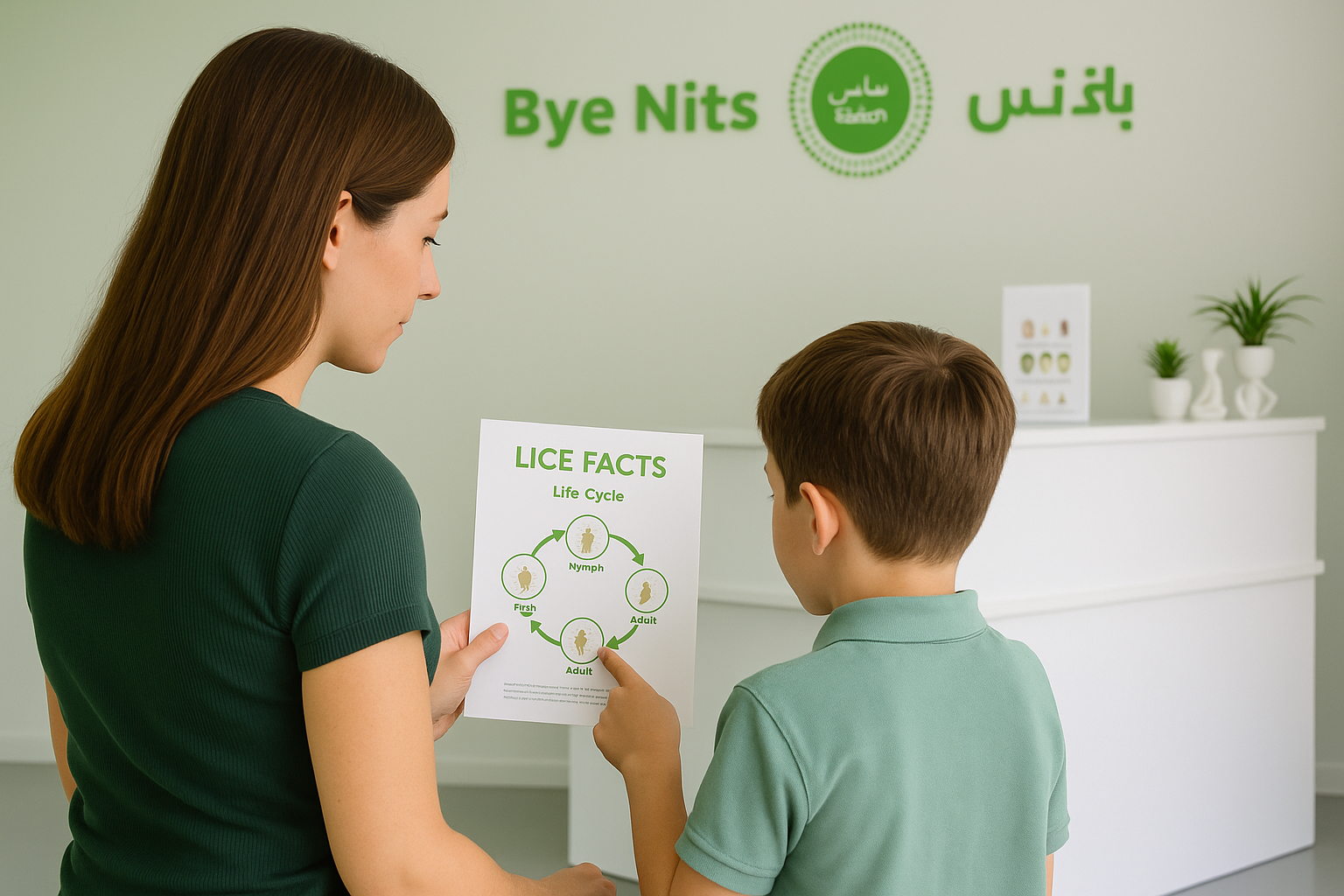
Lifecycle: Egg (nit) → Nymph → Adult
Quick Fact: Head lice do not spread diseases, but they can cause itching, discomfort, and stress for both children and adults.

At Bye Nits, we specialize in thorough lice and egg removal, while also teaching you the best ways to stay lice-free for good.

How Do Lice Spread?

Lice spread mainly through direct head-to-head contact. They cannot jump or fly, but they move quickly from one strand of hair to another when heads touch.

Common ways lice spread:

  1. Sharing hats, combs, hairbrushes, headphones, or towels.
  2. Using the same bedding, cushions, or furniture.
  3. Close contact during play, school, sports, or sleepovers.
  4. Did you know? Pets cannot get or spread human head lice.

To prevent lice from spreading, it’s important to avoid sharing personal items and to check all family members if one person is infested, especially in homes with children or home helpers and in environments like schools or daycare centres.

Step-by-Step Guide to Removal

Identify

Check the scalp carefully, especially behind the ears and near the neck, where lice and eggs often hide.

Comb Out

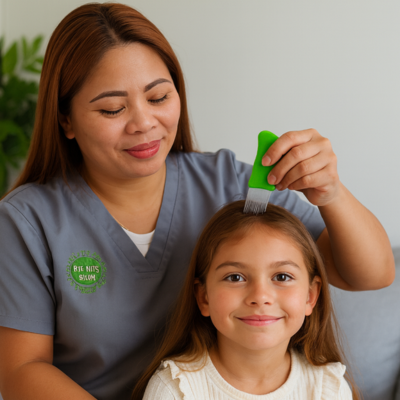
Use a fine-tooth lice comb on damp hair to remove lice and nits from root to tip.

Treat

Apply a professional lice treatment or visit Bye Nits for a full in-salon session to ensure all lice and eggs are removed.

Clean

Wash bedding, clothes, towels, and combs in hot water to prevent reinfestation.

Repeat & Monitor:

Recheck hair after 7 days to make sure no new lice have hatched. A quick follow-up helps keep the whole family lice-free.

Symptoms to Look Out For

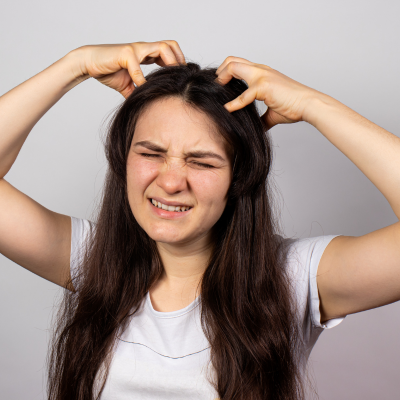
Constant itching

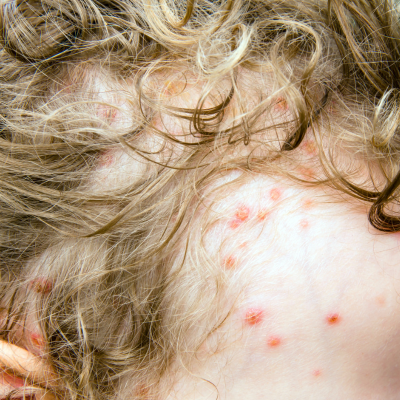
Red bumps
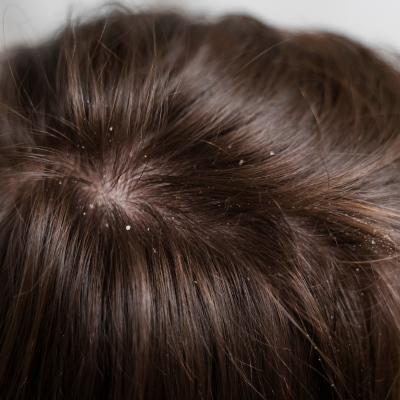
Visible nits
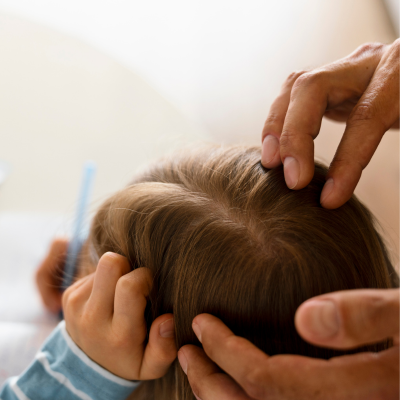
Tickling
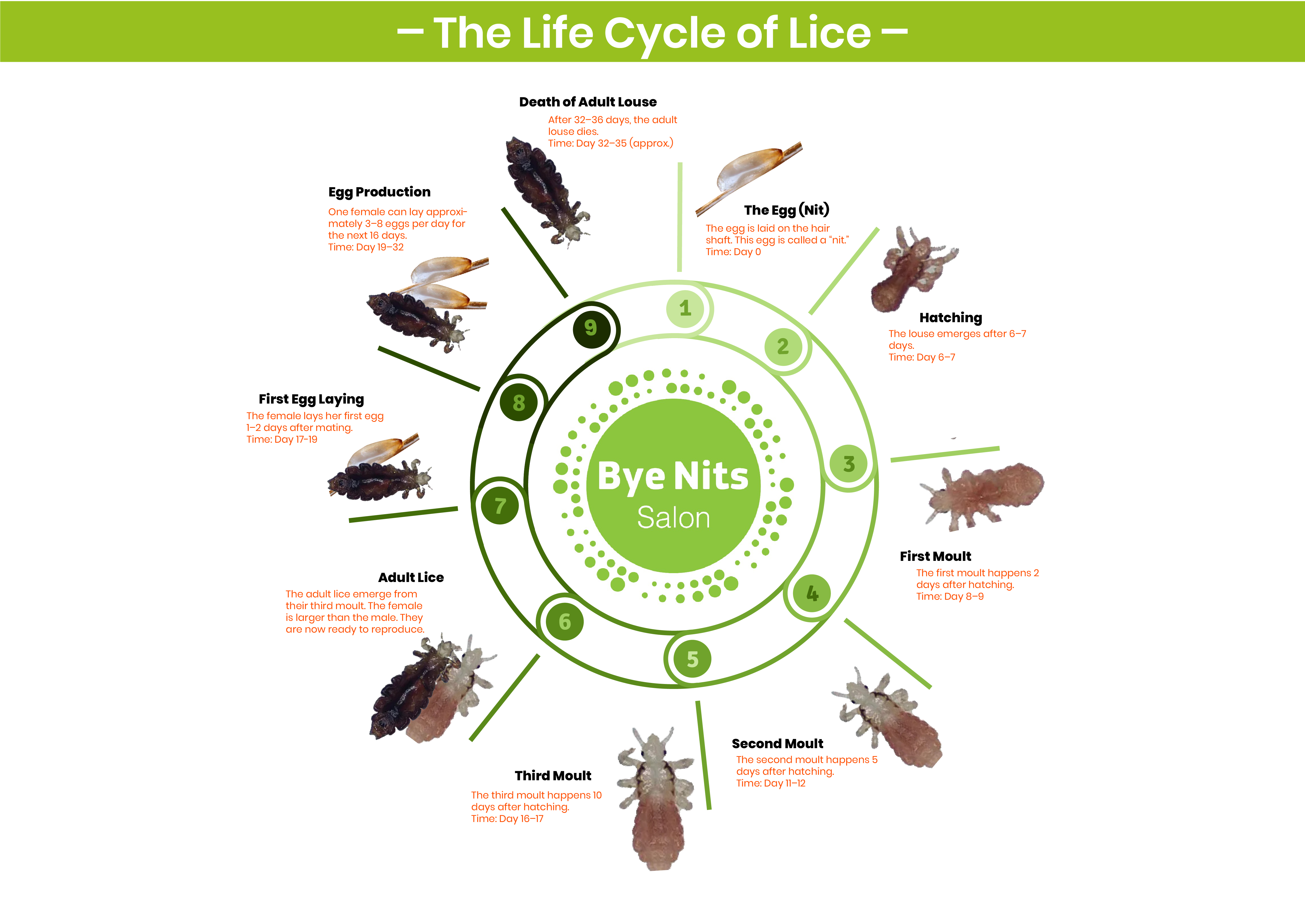
The life cycle of lice lasts about 30 days and includes three stages: eggs (nits), nymphs, and adults.
Each stage plays an important role in how lice survive and spread.

Egg (Nit)

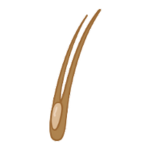
Laid close to the scalp, nits are glued firmly to the hair shaft. They hatch in about 7–10 days, leaving behind a translucent shell.

Nymph

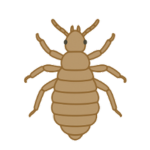
Once hatched, the baby louse (nymph) begins feeding on blood immediately and matures within 9 days through three growth phases.

Adult

Fully grown lice live for about 3 weeks, laying up to 10 eggs per day. Without a human host, they survive only 24–48 hours.

Because of this short but rapid life cycle, even one missed egg can restart the infestation , which is why a 7-day follow-up check is essential at Bye Nits.

Survival & Transmission

Lice have adapted perfectly to human scalps:

Lice do not jump or fly, but they crawl quickly from head to head especially when:

This is why checking everyone in the same home and time is crucial when one case appears – including parents and caregivers.

At Bye Nits, we understand how easily lice spread and ensure every nit is gone, breaking the cycle safely and completely.

Treatment Options

Professional Lice Treatment

Safe and non-toxic lice removal performed by trained specialists. This option guarantees results through thorough vacuuming, combing, and follow-up care at the salon or via home service.
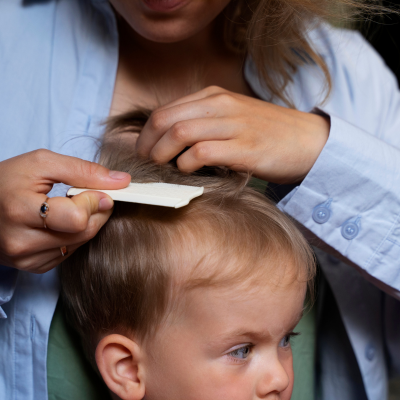
At-Home Combing

Wet combing using conditioner and a fine-tooth lice comb. Effective for light infestations when done carefully and repeatedly for
10–14 days.
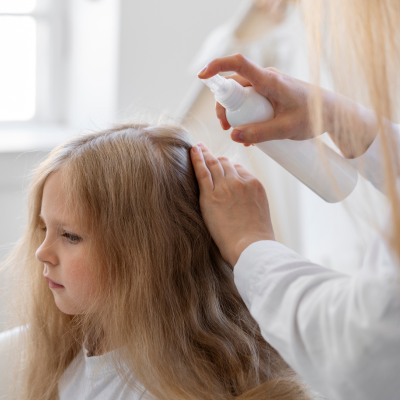
Medicated Products

Over-the-counter or professional-grade shampoos and lotions designed to kill live lice. Must always be followed by combing to remove eggs for full effectiveness.

FAQ's

1. What are head lice and how do they live?

Head lice are small insects that live on the scalp and feed on blood. They can’t jump or fly but crawl quickly between hair strands. Each louse lives for about 30 days and lays eggs (nits) close to the scalp.

The most common signs are constant itching, red bumps on the scalp, and visible nits near the roots of the hair. You might also see tiny moving lice, especially behind the ears and near the neck.

Yes. Lice often spread through shared personal items like hats, hairbrushes, combs, pillows, or headphones. It’s important to avoid sharing anything that touches the hair or scalp.

No. Human head lice only live on humans — pets cannot get or transmit lice.

Lice can only survive for 1–2 days away from the scalp. However, nits (eggs) can remain attached to hair strands even after lice die, so proper combing and cleaning are essential.

Wet combing with a fine-tooth lice comb is effective. However, for complete removal of lice and eggs, a professional treatment — like Bye Nits’ non-toxic, in-salon procedure — ensures faster and safer results.

Check the whole family at the same time, clean bedding and brushes in hot water, and schedule regular scalp checks. Using lice-repellent essential oils and routine combing can also help prevent reinfestation.

 We recommend rechecking 7–10 days after treatment to ensure no new lice have hatched. At Bye Nits, we include a free follow-up check to guarantee your family stays lice-free.